
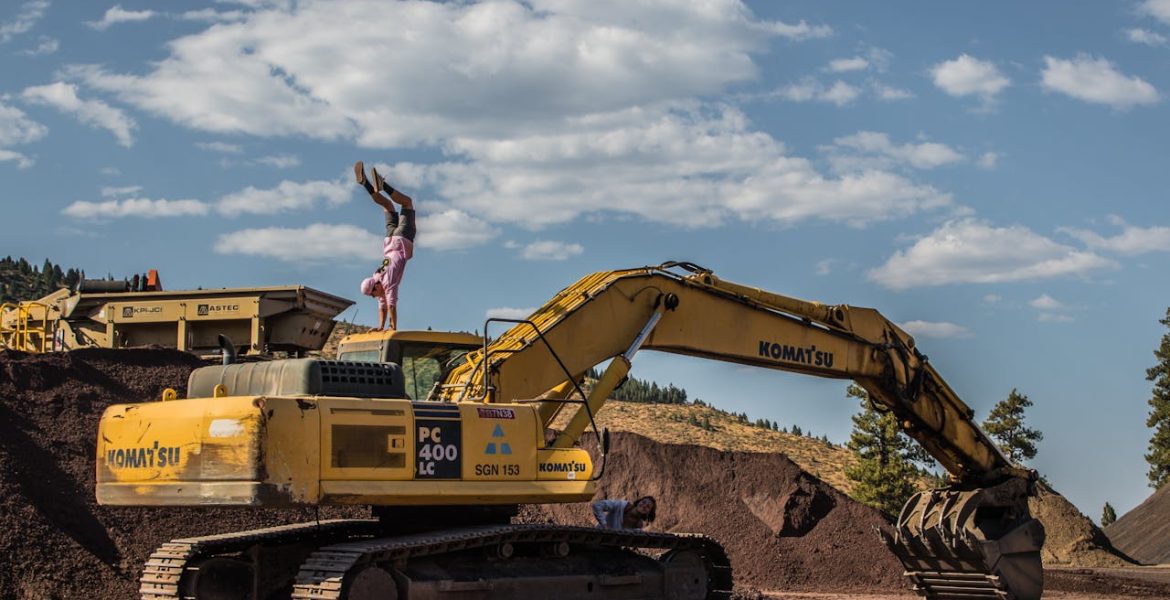
The final drives on compact models carry the same basic design as the bigger units. They Choosing a komatsu excavator for your next project is a decision that comes with a lot of questions.
Which model handles the terrain you work on? Will the hydraulic system hold up under constant demand? And how much maintenance are you really signing up for? These are fair concerns, especially when you are putting serious money into a machine that needs to perform day in and day out.
Komatsu has been building heavy equipment for over a century, and their excavator lineup reflects that experience. From compact models built for tight residential work to large machines designed for commercial demolition and heavy earthmoving, there is a Komatsu for nearly every application.
But owning one is only half the equation. Getting the most out of it means understanding what each class offers, how to take care of it, and what to watch for as the hours pile up.
Compact Models for Tight Spaces and Light Work
The compact class covers machines like the PC30 and PC50. These are the go to komatsu excavator models for operators working on residential properties, landscaping jobs, or any site where space is limited. They are light enough to maneuver in confined areas without tearing up the ground, yet powerful enough to handle trenching, grading, and material handling.
A komatsu excavator in this size range typically features rubber tracks, which reduce surface damage and make transport easier. The hydraulic systems on these machines are simpler than their larger counterparts, but they still demand regular attention.
convert hydraulic power into track movement, and when the gear oil runs low or gets contaminated, problems develop quickly.
For operators running smaller machines, understanding how the excavator final drives work gives you a real advantage when it comes to catching issues early.
Mid Size Models for Versatile Performance
The mid size range, including models like the PC75, PC100, and PC120, is where versatility really shines. A komatsu excavator in this class strikes a balance between reach, digging depth, and power that makes it suitable for a wide range of applications. Foundation work, utility installation, road building, and site prep are all well within their capability.
A komatsu excavator in the mid size class typically comes with steel tracks, more advanced hydraulic controls, and higher operating weights that allow for heavier attachments. The hydraulic systems on these models are more complex, with higher flow rates and greater pressure demands.
That means the final drives, pumps, and cylinders are all working harder, and maintenance becomes even more critical.
One area that mid size operators commonly overlook is the gear oil in the final drives. It should be checked every 100 hours and changed at regular intervals. Dark or gritty oil is a clear sign of contamination, and running on degraded fluid is one of the fastest paths to internal gear damage. Knowing what leads to drive motor failure helps you prevent it rather than react to it.
Large Models for Heavy Earthmoving
At the top of the lineup sit machines like the PC200 and above. A komatsu excavator in this class is purpose built for commercial construction, mining support, heavy demolition, and large scale earthmoving. They deliver massive digging force, deep reach, and the hydraulic power to run demanding attachments like hydraulic breakers and grapples.
Running a large komatsu excavator means dealing with higher operational stress across every system. The final drives on these machines handle enormous torque loads, the hydraulic pumps move large volumes of fluid at high pressure, and the undercarriage components take a beating from heavy material and rough terrain.
Cooling becomes especially important in this class. The hydraulic system generates significant heat during sustained operation, and if the radiator or oil cooler is clogged with dust and debris, temperatures will climb.
Hot hydraulic fluid breaks down faster, damages seals, and reduces the efficiency of every component it touches. Keeping coolers clean and monitoring fluid temperature is non negotiable for operators running heavy equipment at full capacity.
What Makes Komatsu Stand Out on the Jobsite
Several features across the Komatsu lineup make these machines popular among operators and fleet managers. The hydraulic systems are designed for smooth, responsive control.
The engines deliver strong power output while maintaining reasonable fuel efficiency. And the undercarriage components, including tracks, rollers, and final drives, are built to handle demanding conditions.
The operator cab on most komatsu excavator models is designed for comfort during long shifts, with good visibility, intuitive controls, and reduced noise levels. For operators spending eight or more hours a day in the seat, these details matter.
Another strength is parts availability. Because Komatsu is one of the largest equipment manufacturers in the world, finding replacement components is straightforward.
When a komatsu excavator needs a new final drive motor, aftermarket options that meet or exceed OEM specifications are widely available. Precision Final Drives carries a full range of Komatsu final drive motors that ship ready to install, filled with oil, and backed by a limited lifetime warranty.
Keeping Your Machine Running Strong
No matter which komatsu excavator model you run, the same core maintenance principles apply. Check fluids regularly, inspect seals for leaks, keep the undercarriage clean, and follow the manufacturer’s service schedule. These habits apply whether you are running a compact unit on residential jobs or a large machine on a commercial site.
The gear oil in the final drives needs attention every 100 hours. The hydraulic fluid should be checked before every shift. Grease points on the boom, arm, and bucket require regular attention to prevent bushing wear. And the cooling system needs to stay clear of debris so temperatures stay in the safe range.
For operators new to the brand or running a mini compact excavator in the Komatsu range, building a simple daily inspection routine goes a long way. Walk around the machine before each shift. Look for leaks, check track tension, and inspect the bucket teeth. Five minutes of prevention saves hours of downtime.
When a komatsu excavator does need a component replaced, having the right part available quickly is critical. Downtime on a jobsite costs money every hour the machine sits idle. Quality aftermarket final drive motors are built in the same factories that produce OEM units. They fit the same, perform the same, and are ready for installing your drive right out of the box.
Frequently Asked Questions (FAQs)
1. What Size Komatsu Excavator Do I Need for Residential Work?
Compact models like the PC30 and PC50 are ideal for residential jobs. They are small enough to work in tight spaces, light enough to avoid damaging finished surfaces, and powerful enough for trenching, grading, and light demolition. Rubber tracks on these models also reduce ground disturbance.
2. How Often Should I Service the Final Drives on a Komatsu Excavator?
Check the gear oil every 100 hours of operation and change it at least every 200 hours. Inspect the seals for leaks during your daily walkaround. If the oil appears dark or contains metal particles, change it immediately. Regular final drive care on your komatsu excavator prevents expensive failures.
3. Are Aftermarket Final Drive Motors Compatible With Komatsu Models?
Yes. Quality aftermarket final drive motors are built to match OEM specifications for fit and performance. They come fully assembled, filled with oil, and ready to bolt on. Many operators choose aftermarket options because they offer the same reliability at a significantly lower price.
4. What Are the Most Common Maintenance Issues on Komatsu Excavators?
The most frequent issues on a komatsu excavator include contaminated gear oil in the final drives, hydraulic fluid degradation, worn seals, clogged case drain filters, and neglected grease points. Nearly all of these are preventable with consistent inspections and timely fluid changes.
5. How Do I Know When My Komatsu Excavator Needs a New Final Drive?
Watch for persistent unusual sounds from the tracks, oil leaks that keep returning despite seal replacements, reduced travel speed, or the machine pulling to one side.
If troubleshooting does not resolve these symptoms, the internal components have likely worn beyond repair. Replacing the final drive on your komatsu excavator with a quality aftermarket motor gets you back to work fast.