
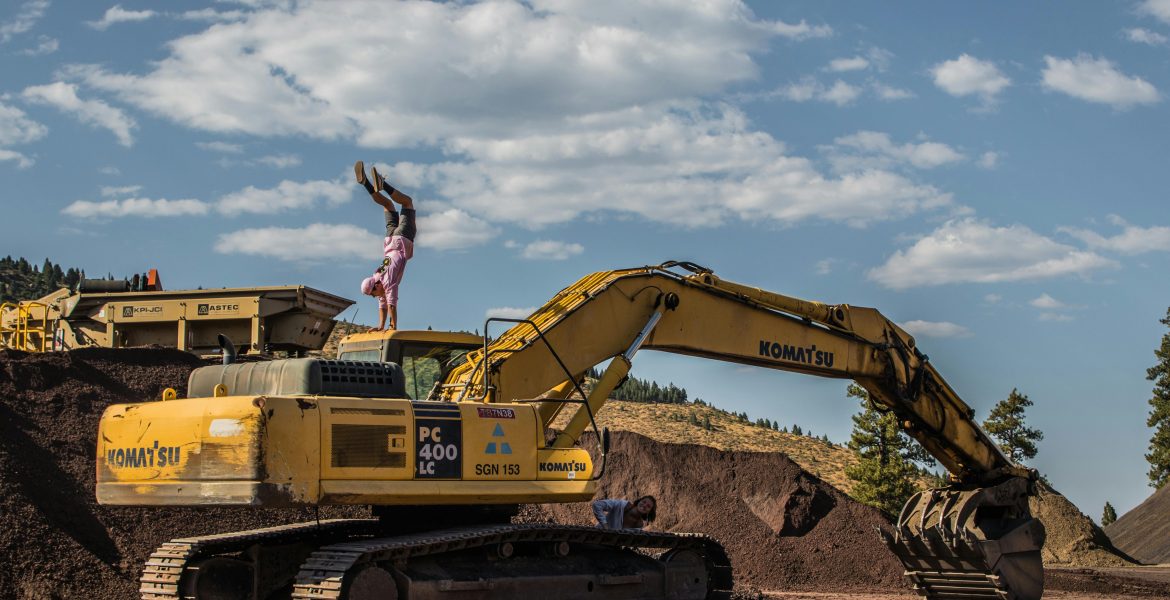
Picking the wrong komatsu excavator sizes for the job is a mistake that costs you in every direction. Too small and you are burning extra hours trying to move material the machine was never built to handle.
Too large and you are paying for fuel, transport, and wear on a unit that is overkill for the task. Either way, the wrong fit eats into your margins and slows down the project.
The Komatsu lineup covers a wide range of sizes, from compact mini excavators that fit in a backyard to massive machines built for mining and large scale earthmoving. Knowing what each size class offers, and more importantly what it is best suited for, helps you make a decision you will not regret.
Understanding the Size Classes
Komatsu organizes its excavators into several weight categories. Each class targets a different type of work, and the differences go well beyond physical dimensions. Engine power, digging depth, hydraulic flow, bucket capacity, and undercarriage design all change as you move up through the komatsu excavator sizes available.
When comparing komatsu excavator sizes, operating weight is the primary metric. It tells you how much machine you are working with and gives a quick sense of what the excavator can and cannot do.
But weight alone does not tell the full story. Two machines in the same weight class can have very different reach, lift capacity, and hydraulic performance depending on the model.
Compact Class: Under 6 Tons
This is where machines like the PC30 and PC50 live. Compact komatsu excavator sizes are built for tight spaces, residential work, landscaping, utility installation, and light demolition. They typically weigh between one and six tons and feature rubber tracks that minimize ground disturbance.
These machines are easy to transport on a standard trailer and simple to operate. Their smaller hydraulic systems require less maintenance, but the final drives, seals, and gear oil still need regular attention. The components may be smaller, but they are working just as hard relative to their capacity.
Compact units are ideal when access is limited. Narrow gates, small lots, and areas near finished surfaces are where these machines shine.
If your work involves trenching for utilities, grading driveways, or clearing small plots, the compact class is likely the right fit. Understanding how the excavator final drives on these smaller units work helps you maintain them properly and avoid premature wear.
Mid Size Class: 6 to 20 Tons
The mid size range includes models like the PC75, PC78, PC120, and PC138. These komatsu excavator sizes bridge the gap between compact portability and full size power. They offer greater reach, deeper digging capability, and the hydraulic performance to run larger attachments.
This class handles foundation work, road construction, site preparation, storm drainage, and medium scale demolition. The machines are large enough to be productive on commercial sites yet small enough to work in areas where full size units would not fit or would be impractical.
Mid size Komatsu excavators typically feature steel tracks, more advanced hydraulic controls, and higher flow rates. The final drives on these models handle considerably more torque than their compact counterparts.
Gear oil contamination and seal wear are the leading maintenance concerns, and catching these issues early prevents drive motor failure that could sideline the machine for days.
Operators who work across both residential and commercial projects often find the mid size class to be the most versatile investment. A PC120, for example, can handle a residential basement excavation in the morning and move to a commercial site prep job in the afternoon.
Standard Class: 20 to 40 Tons
This is the workhorse range. Models like the PC200, PC210, and PC360 dominate commercial construction sites, highway projects, and heavy earthmoving operations. Among all komatsu excavator sizes, this class sees the highest adoption across general contractors and infrastructure companies.
Machines in this class move large volumes of material efficiently. These komatsu excavator sizes deliver serious digging force, extended reach, and the power to run attachments like hydraulic breakers and grapples. The hydraulic systems are robust, the engines are powerful, and the undercarriage components are built to absorb heavy use.
Maintenance demands increase with size. The final drives handle massive torque loads, and the hydraulic system operates at higher pressures for longer periods. Keeping the cooling system clean, monitoring hydraulic fluid condition, and following scheduled service intervals are essential.
Operators who stay disciplined about Case final drive care routines and similar brand specific practices can apply those same principles to their Komatsu machines.
Large and Mining Class: 40 Tons and Above
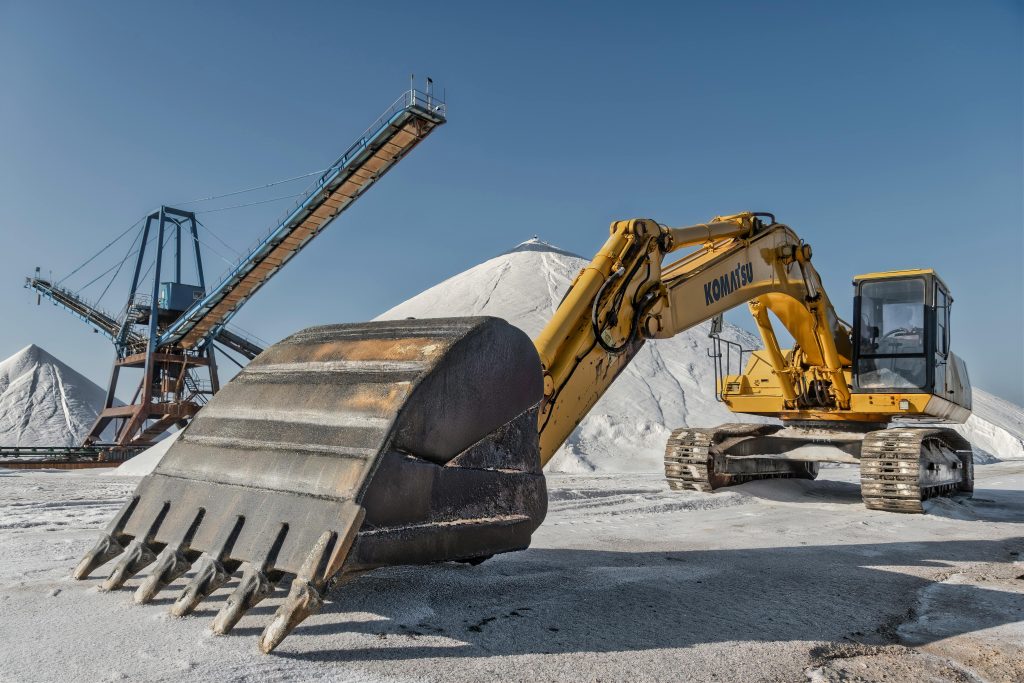
At the top of the lineup are machines like the PC490 and beyond. These are the largest komatsu excavator sizes, built for mining, quarrying, mass excavation, and the heaviest construction applications. They weigh upward of 40 tons and deliver excavation power that smaller classes simply cannot match.
These units are not for every operator or every jobsite. They require specialized transport, larger support crews, and significantly higher maintenance budgets. But for the work they are designed to do, nothing else comes close.
Component longevity at this scale depends entirely on maintenance discipline. Every system runs under extreme stress, and neglecting fluid changes, filter replacements, or seal inspections leads to failures that are exponentially more expensive than on smaller machines.
How to Match the Right Size to Your Work
Choosing between komatsu excavator sizes comes down to a few practical questions. What is the typical scope of your projects? How deep do you need to dig? What attachments will you use? And what are the access constraints on your jobsites?
If most of your work is residential or light commercial, the compact or mid size class covers your needs without overspending. If you are running large commercial or infrastructure jobs, the standard class is the proven choice. And if you are in mining or mass excavation, the large class is built specifically for that demand.
Do not size up just for the sake of having a bigger machine. Understanding which komatsu excavator sizes match your actual workload matters more than raw capability.
A larger excavator burns more fuel, costs more to transport, and puts more wear on every component. Matching the machine to the work keeps your operating costs in line and extends the life of the equipment.
When parts do wear out, having a reliable source for replacements keeps downtime short. Precision Final Drives offers aftermarket final drive motors for a wide range of Komatsu models, shipped fully assembled and ready for installing your drive straight out of the box.The right komatsu excavator sizes for your operation are the ones that match your work without excess, and keeping them maintained properly is what makes that investment pay off for the long haul.
Frequently Asked Questions (FAQs)
1. What Is the Best Komatsu Excavator Size for Residential Work?
Compact models under six tons, like the PC30 or PC50, are ideal for residential jobs. They fit through narrow access points, work well in tight spaces, and are easy to transport. Rubber tracks minimize damage to finished surfaces like driveways and lawns.
2. Can a Mid Size Komatsu Handle Commercial Construction?
Yes. Mid size komatsu excavator sizes in the 6 to 20 ton range handle foundation work, road construction, drainage installation, and medium scale demolition. They offer a strong balance of power and portability for commercial projects.
3. How Do I Know If I Need a Standard or Mid Size Excavator?
Consider your typical digging depth, material volume, and attachment requirements. If you regularly need reach beyond 20 feet or dig depths over 15 feet, the standard class is likely the better fit. For lighter loads and shallower work, mid size models deliver strong performance with lower operating costs.
4. Do Larger Komatsu Excavators Require More Maintenance?
Yes. Across all komatsu excavator sizes, larger machines operate under higher stress. The final drives, hydraulic pumps, and cooling systems all demand more frequent attention. Fluid changes, filter replacements, and seal inspections become even more critical as machine size increases.
5. Are Aftermarket Final Drives Available for All Komatsu Excavator Sizes?
Quality aftermarket suppliers carry final drive motors for most komatsu excavator sizes, from compact models like the PC30 to standard machines like the PC200 and beyond. These motors are built to OEM specifications, ship ready to install, and often cost significantly less than dealer parts.