
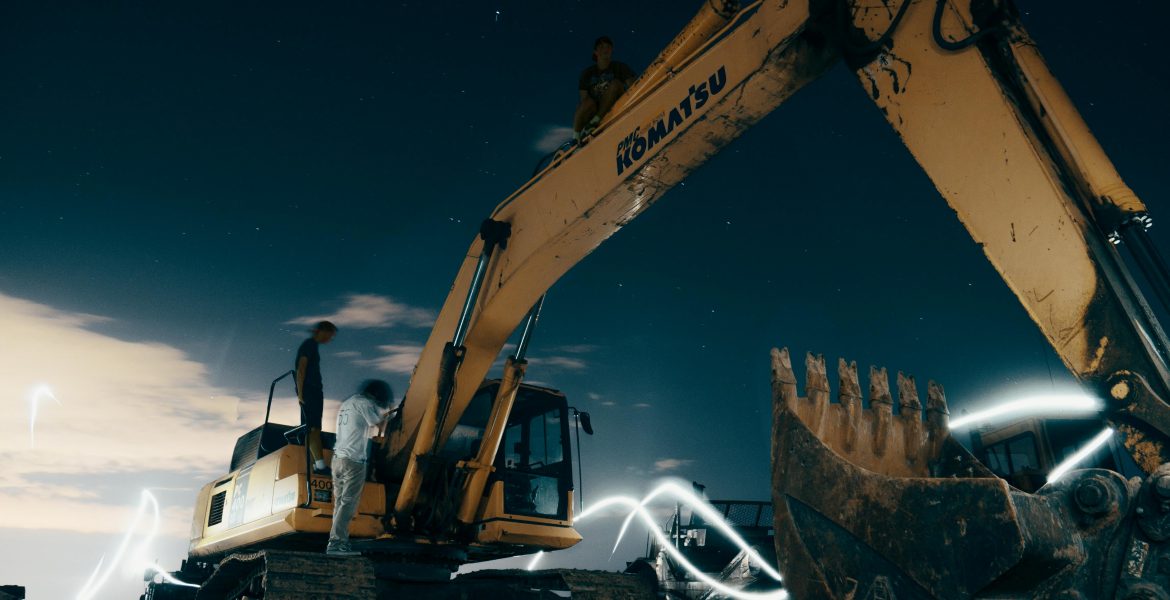
If you are shopping for a mid size excavator that can handle tight spaces without sacrificing power, the komatsu pc138 specs are worth a close look. This machine sits in a sweet spot that a lot of operators need but struggle to find.
Big enough for commercial site prep and deep utility work, yet compact enough to work in one lane of traffic without shutting down the other. That combination is exactly why the PC138 keeps showing up on jobsites across the country.
But numbers on a spec sheet only tell part of the story. Knowing what the PC138 actually delivers in real working conditions, how it handles, and what to watch for in terms of maintenance is what helps you decide if it is the right fit for your operation.
Engine and Power Output
The PC138 is powered by a Komatsu SAA4D95LE engine, a turbocharged four cylinder diesel that produces approximately 97 HP at 2,050 RPM. That is a solid output for a machine in this weight class and gives the PC138 enough muscle to run heavy attachments like hydraulic breakers and compactors without bogging down.
Fuel efficiency is a strong point in the komatsu pc138 specs. The closed center load sensing hydraulic system matches engine speed and pump output to the load demand in real time. The komatsu pc138 specs show that this means the engine is not running at full power when it does not need to, keeping fuel consumption lower than you might expect.
The engine also features Komatsu’s diesel oxidation catalyst system, which handles emissions through passive regeneration. There is no diesel particulate filter to worry about, which means no scheduled regeneration downtime and lower maintenance costs on that front.
Operating Weight and Dimensions
One of the most defining komatsu pc138 specs is the operating weight. Depending on configuration, the PC138 typically comes in between 13,800 and 14,800 kg, or roughly 30,000 to 31,000 pounds. That puts it firmly in the mid size class with enough mass to remain stable during heavy digging and lifting.
Transport dimensions are practical for a machine this capable. Overall length runs around 7.4 meters, width sits at approximately 2.6 meters, and transport height comes in near 2.8 meters. These dimensions mean the PC138 fits on a standard lowboy trailer without any special permits in most regions.
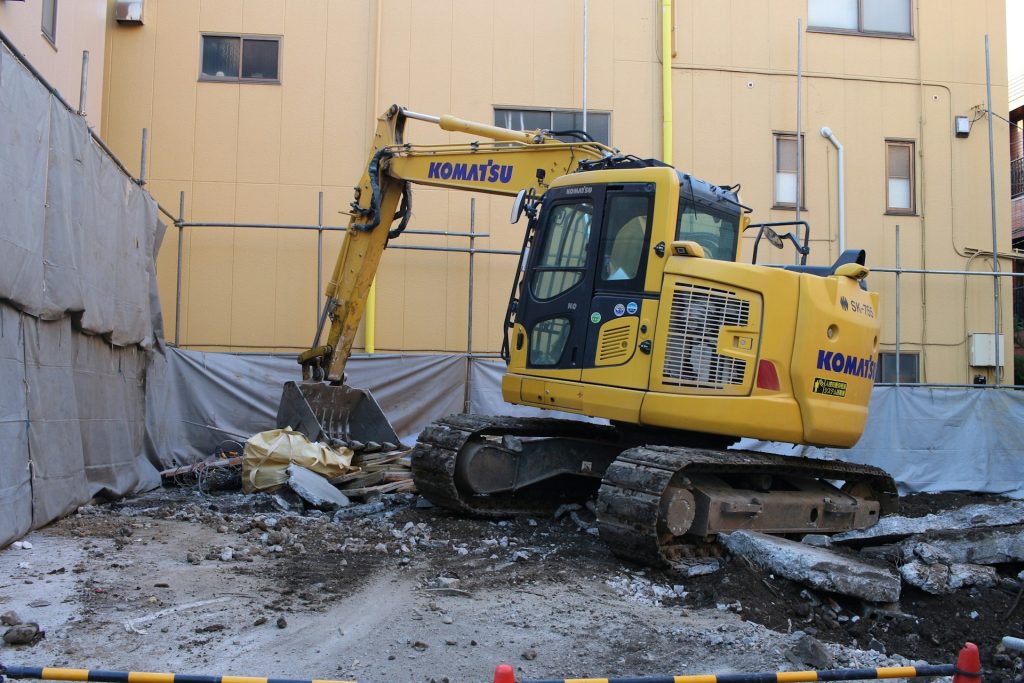
The tight tail swing radius is a standout feature. The rear of the machine barely extends beyond the track width, which lets operators swing the cab and counterweight in confined areas without hitting walls, barriers, or other equipment. For roadwork, urban construction, and sites with limited clearance, this is a major advantage.
Digging Performance
The komatsu pc138 specs for digging performance are impressive for the class. Maximum digging depth reaches approximately 5.5 meters, with a maximum horizontal reach of around 8.3 meters. Bucket tearout force sits near 93 kN, delivering serious breakout power in compacted soil.
Bucket capacity ranges from approximately 0.34 to 0.76 cubic meters depending on the configuration. The hydraulic system provides smooth and responsive control during digging, trenching, grading, and loading. Reviewing the komatsu pc138 specs for hydraulic flow helps explain why operators prefer it for detail work.
The CLSS hydraulic system deserves credit here. It provides quick arm speed and precise bucket control, which matters when you are working close to existing utilities or finished surfaces.
Operators who have run both standard and tight tail swing machines often prefer the PC138 for detail work because of how responsive the controls feel. Understanding how the excavator final drives and hydraulic system work together gives you a better sense of where that smooth performance comes from.
Cab and Operator Comfort
The PC138 features a ROPS certified cab with viscous mounts that reduce vibration. Noise inside the cab sits around 71 dB, which makes long shifts more bearable. Standard features include automatic climate control, an AM/FM radio, rear view camera integrated into the monitor, and a 7 inch LCD color display.
The sliding door design is a thoughtful addition in the komatsu pc138 specs. On a tight tail swing machine, a conventional swing out door would hit nearby obstacles. The sliding door lets operators enter and exit the cab without needing extra clearance, which is especially useful in the confined spaces this machine was built for.
Visibility from the cab is strong. The low profile boom and wide front glass give operators a clear line of sight to the bucket and surrounding work area. For jobs that require precision near structures, pedestrians, or other equipment, good visibility is not a luxury. It is a safety requirement.
Maintenance and What to Watch For
The PC138 is designed to be easy to service. Ground level access to the engine, hydraulic components, and filters keeps routine maintenance simple. The wide opening engine compartment provides good reach for fluid checks and filter changes.
Like any mid size excavator, the komatsu pc138 specs only hold up if you stay on top of maintenance. Engine oil, hydraulic fluid, and final drive gear oil all need attention at their recommended intervals.
The komatsu pc138 specs reflect a machine built for high performance, and that means contamination and heat are real concerns if fluid care is neglected.
Check the gear oil in the final drives every 100 hours. Dark or gritty oil needs changing immediately. Neglecting this fluid is one of the most common causes of drive motor failure on machines in this class. A few minutes of inspection prevents thousands in repair costs.
The cooling system also needs regular attention. Keep the radiator and oil cooler cores clear of dust and debris. Clogged coolers cause overheating, which degrades hydraulic fluid and accelerates seal wear across the entire system. Operators who follow a structured routine for their mini compact excavator maintenance can apply those same principles to the PC138.
Where the PC138 Excels
The komatsu pc138 specs make it ideal for a specific set of applications. Roadwork and highway shoulder construction are at the top of the list. The tight tail swing lets the machine work in active traffic lanes safely.
Urban construction projects benefit from the same compact footprint. The komatsu pc138 specs allow for digging foundations, installing underground utilities, and performing demolition in areas surrounded by existing structures.
Bridge and overpass work is another strong application. The higher boom raise angle reduces the minimum front implement swing radius, giving operators more working room in spaces with overhead or lateral restrictions.
When a final drive does need replacing on a PC138, having a quality aftermarket option ready keeps downtime short. Precision Final Drives carries aftermarket final drive motors built to OEM specifications for this model, shipped fully assembled and ready for installing your drive straight out of the box.
The komatsu pc138 specs deliver a machine that is powerful enough for serious work and nimble enough for tight conditions, which is exactly why it remains a mid size favorite among operators who need both.
Frequently Asked Questions (FAQs)
1. How Much Does the Komatsu PC138 Weigh?
Operating weight ranges from approximately 13,800 to 14,800 kg depending on the configuration and attachments. That puts it squarely in the mid size excavator class with enough stability for heavy digging and lifting tasks.
2. What Is the Digging Depth of the Komatsu PC138?
Maximum digging depth reaches approximately 5.5 meters. Exact depth can vary slightly depending on the arm length and boom configuration. The komatsu pc138 specs make it suitable for utility installation, foundation work, and deep trenching applications.
3. Is the PC138 Good for Working in Tight Spaces?
Yes. The tight tail swing design and sliding cab door make it one of the best mid size excavators for confined jobsites. The rear of the machine barely extends beyond the track width, which allows full swing capability without hitting nearby obstacles.
4. How Often Should I Service the Final Drives on a PC138?
Check the gear oil every 100 hours of operation and change it every 200 hours at minimum. Inspect the seals for leaks during daily walkarounds. Keeping the final drives maintained on schedule is one of the most effective ways to avoid costly replacements.
5. Are Aftermarket Final Drive Motors Available for the PC138?
Yes. Quality aftermarket final drive motors built to OEM specifications are available for the PC138 and ship ready to install. They offer the same fit and performance at a lower cost than dealer parts, making them a practical choice when the komatsu pc138 specs call for a replacement.