
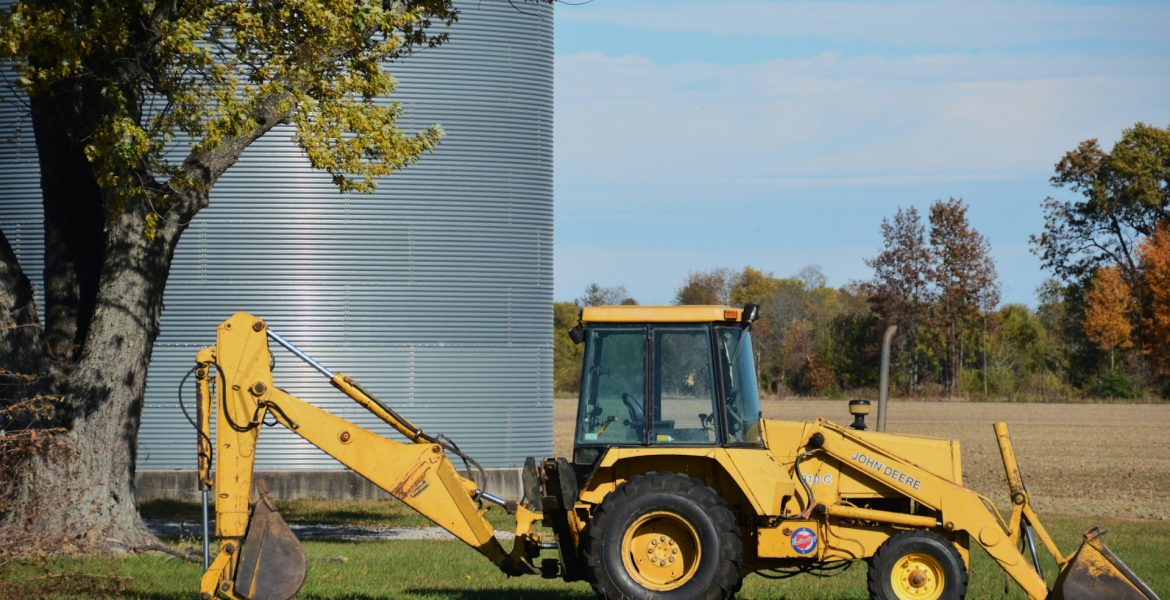
If you need a compact excavator that fits through narrow gates, works next to foundations without tearing up finished surfaces, and still has enough muscle to dig real trenches, the john deere 27d is one of the first machines operators reach for.
It sits in a size class that fills a gap most larger excavators cannot touch. Small enough to maneuver in a backyard, yet capable enough to handle utility installation, landscaping, and light demolition without breaking a sweat.
But like any machine, understanding what it can actually do and how to keep it running strong is what separates operators who get years of productive work from those dealing with avoidable breakdowns. This guide covers the key specs, real world strengths, and maintenance considerations that every john deere 27d owner or renter should know.
Engine and Power Output
The john deere 27d runs a Yanmar 3TNV88 three cylinder diesel engine that produces approximately 26.8 net horsepower at 2,200 RPM. That might not sound like a lot on paper, but for a machine in this weight class, it delivers more than enough torque to handle the work it was designed for.
The engine is direct injected and meets Tier 4 emissions standards, which means it runs clean and quiet. That quiet operation matters more than you might think. On residential jobsites where you are working close to homes and neighbors, a loud machine creates complaints. The 27D keeps noise levels manageable without sacrificing performance.
Fuel efficiency is solid for the class. The engine matches power output to demand, so it is not burning fuel at full rate when the machine is idling between tasks. The auto idle feature slows engine speed when the pilot control levers are released, which reduces fuel consumption and noise during pauses in operation.
Operating Weight and Dimensions
The john deere 27d has an operating weight of approximately 2,900 kg, or roughly 6,400 pounds. That puts it firmly in the mini excavator category where transportability is a major advantage. You can haul it on a standard trailer behind a pickup truck without needing special permits or heavy hauling equipment.
Overall transport length is approximately 4.2 meters, width sits at 1.55 meters, and height comes in near 2.46 meters. That compact footprint means the 27D fits through standard gates and works comfortably in areas where larger machines simply would not fit.
The track width is 305 mm, which distributes the machine’s weight across a larger surface area and reduces ground pressure. This is a practical advantage when working on finished lawns, near paved surfaces, or on soft ground where heavier machines would sink or cause damage.
Digging Performance
Digging depth on the john deere 27d reaches approximately 8 feet 6 inches with the standard arm. Maximum digging reach extends to around 15 feet 4 inches, and maximum dump height sits near 10 feet 6 inches. These numbers give the machine a useful working envelope for trenching, grading, and loading tasks.
Bucket digging force comes in at approximately 22 kN, which is enough to break through packed soil and handle light to moderate ground conditions. Arm digging force is roughly 15.2 kN. For the size of the machine, these numbers are respectable and handle the majority of residential and light commercial applications without issue.
The independent swing boom allows the operator to offset the boom to one side, which is especially useful when digging alongside structures, walls, or property lines.
This feature gives the john deere 27d a level of versatility that straight boom machines in the same class cannot match. Understanding how the excavator final drives on these compact units convert hydraulic power to track movement helps you appreciate the full system working together.
Where the 27D Excels
The john deere 27d was built for a specific kind of work, and it does that work exceptionally well.
Utility installation is one of the top applications. Digging trenches for water lines, sewer connections, electrical conduit, and irrigation systems is where this machine spends most of its hours. The dig depth and compact size let you work in tight residential lots without disrupting the surrounding landscape.
Landscaping projects are another natural fit. Grading, pond excavation, stump removal, and site prep for patios and retaining walls are all within the 27D’s capability. The rubber tracks minimize surface damage, which homeowners and property managers appreciate.
Light demolition, fence removal, and small structure teardown are also well suited to this machine. With Worksite Pro attachments like breakers, augers, and rakes, the john deere 27d transforms from a simple digger into a versatile multi tool. The standard backfill blade adds further utility for pushing material back into trenches after installation work is complete.
Maintenance That Keeps It Running
The 27D is straightforward to maintain, but skipping basic tasks shortens the life of critical components fast. Because the machine is compact, every system is working hard relative to its size, and neglected maintenance catches up quickly.
Check engine oil and hydraulic fluid levels before every shift. The hydraulic system powers the boom, arm, bucket, swing, and travel functions. Low fluid means low pressure, which forces the pump to work harder and generates excess heat. This accelerates wear on everything from hoses to the final drives.
The gear oil in the final drives needs attention every 100 hours. Dark or gritty oil means contamination, and running on degraded fluid leads to internal gear damage. This is one of the most common causes of drive motor failure on compact machines. A simple oil check and change prevents thousands in repair costs.
Filters are cheap insurance. Replace engine oil, hydraulic, fuel, and air filters on schedule. In dusty conditions, check the air filter more frequently. A clogged filter restricts airflow and reduces engine power.
Keep the undercarriage clean. Mud packed around the tracks, rollers, and final drive housing traps heat and wears out seals faster. A quick cleanup after each shift extends the life of john deere 27d undercarriage components significantly. Operators who follow a thorough routine for their mini compact excavator tend to avoid the most common failures entirely.
Replacement Parts and Final Drives
Even with excellent maintenance, parts eventually wear out. Bucket teeth, seals, hoses, and track components are all regular replacement items on the 27D. Keeping common wear parts in your inventory eliminates waiting time when something needs swapping.
The final drive is one of the most critical and expensive components on any mini excavator. When it fails, the machine does not move. If you are seeing recurring seal leaks, persistent noise from the tracks, or a drop in travel speed despite troubleshooting, the internal components may be past the point of repair.
Precision Final Drives carries aftermarket final drive motors for the John Deere 27D and other compact models. They ship fully assembled, filled with oil, and ready for installing your drive straight out of the box. Having a reliable source for replacement parts means your john deere 27d spends more time working and less time waiting on repairs.
Frequently Asked Questions (FAQs)
1. How Much Does the John Deere 27D Weigh?
The operating weight is approximately 2,900 kg or 6,400 pounds. This makes it easy to transport on a standard trailer and keeps ground pressure low enough to work on finished surfaces without causing significant damage.
2. What Is the Maximum Digging Depth of the 27D?
The john deere 27d reaches a maximum digging depth of approximately 8 feet 6 inches with the standard arm configuration. Maximum digging reach extends to about 15 feet 4 inches, giving the machine a practical working envelope for trenching and utility work.
3. What Engine Does the John Deere 27D Use?
It runs a Yanmar 3TNV88 three cylinder diesel engine producing approximately 26.8 net horsepower at 2,200 RPM. The engine meets Tier 4 emissions standards and features direct injection for efficient, quiet operation on residential and commercial jobsites.
4. How Often Should I Service the Final Drives on a 27D?
Check the gear oil every 100 hours of operation. Look for clean, bronze colored oil. If it appears dark or contains particles, change it immediately. Inspect seals for leaks during every daily walkaround. Consistent final drive care on the john deere 27d prevents the most expensive failures.
5. Are Aftermarket Final Drive Motors Available for the 27D?
Yes. Quality aftermarket final drive motors built to OEM specifications are available for the john deere 27d. They ship fully assembled, filled with oil, and ready to install. Aftermarket options offer the same fit and performance at a lower cost than dealer parts.