
If you operate tracked equipment and have never asked what is final drive, you are overdue for an introduction to the most important component hiding under your machine. The final drive is the assembly that converts hydraulic power into the slow, forceful rotation that turns your sprocket and moves your tracks.
Without it, your excavator, compact track loader, or dozer goes nowhere. It sits at each side of the undercarriage, takes a beating from mud, rocks, and debris every shift, and rarely gets the attention it deserves until something goes wrong.
This guide answers the question of what is final drive by explaining how the system works, what it contains, why it fails, and what you can do to keep it running for thousands of productive hours.
The Two Main Components
Understanding what is final drive starts with recognizing that it is two systems in one housing. The first is the hydraulic travel motor. The second is the planetary gear set. Together, they transform high speed, low torque hydraulic energy into low speed, high torque mechanical power at the sprocket.
The hydraulic travel motor receives pressurized fluid from the main pumps. Inside, pistons convert that pressure into rotational force on a central shaft. The motor spins fast but produces insufficient torque alone to move a machine weighing several tons.
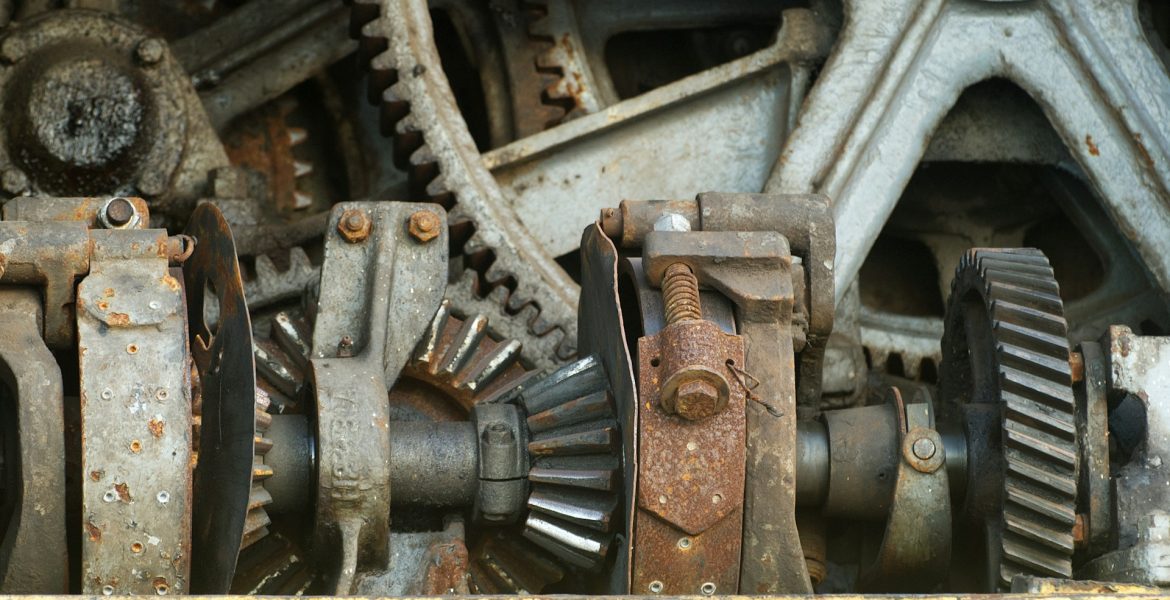
That is where the planetary gear set takes over. The output shaft feeds into planet gears orbiting a central sun gear inside a ring gear. Each reduction stage slows the rotation and multiplies the torque. Most final drives use two or three stages to achieve the massive force needed at the sprocket.
The result is a compact, powerful system inside the track frame. Knowing what is final drive at this level helps you understand why every internal component matters.
Where It Sits on the Machine
The final drive mounts at the rear of the track frame on most excavators, directly behind the sprocket. The sprocket is the toothed wheel that engages the track chain and pulls it around. Some machines place the final drive at the front of the undercarriage, but the rear position is more common on excavators.
Each side of a tracked machine has its own independent final drive. Grasping what is final drive steering means understanding this dual system. When both drives turn at the same speed, the machine travels straight.
When one side slows or stops while the other continues, the machine turns. When both drives run in opposite directions, the machine pivots in place. Understanding how excavator final drives integrate into the undercarriage gives you a clearer picture of the entire travel system.
The housing is sealed to keep gear oil inside and contaminants outside. Part of understanding what is final drive protection means understanding this seal system.
A floating face seal sits where the hub meets the housing, providing the primary barrier against dirt, water, and debris. This seal is one of the most critical components in the assembly and one of the first things to check when problems appear.
How Gear Oil Protects Everything Inside
Now that you know what is final drive in terms of structure, it helps to understand what keeps it alive. Gear oil is the lifeblood of the planetary side. It lubricates gears, bearings, and seals, reduces friction, and carries away heat.
The gear oil level and condition tell you more about health than almost any other indicator. Rotate the final drive until the inspection plug is at three o’clock and remove it. Healthy oil flows out clean with a golden color. Dark, thick oil indicates heat damage. Milky oil means water contamination. Oil with metal flakes signals gear or bearing damage.
Changing gear oil at recommended intervals is one of the cheapest maintenance tasks you can perform. When someone asks what is final drive maintenance, gear oil is always the first answer.
What Causes Final Drive Failure
Final drives are built tough, but they are not immune to damage. Knowing what is final drive failure and what causes it helps you prevent the most common problems.
Contaminated gear oil is the leading killer. When the face seal leaks, dirt and water enter the planetary housing and mix with the lubricant. The contaminated oil grinds against gears and bearings instead of protecting them. Catching a leaking seal early saves the entire assembly. Learning the warning signs of drive motor failure helps you act before damage spreads.
Running on low gear oil starves gears and bearings of lubrication. Even a small drop in oil level increases friction and heat, leading to pitting on gear teeth and spalled bearings.
Ignoring leaks is another common path to failure. Oil behind the sprocket means the face seal has failed. Continuing to operate guarantees contamination enters the housing.
Overloading the travel system by running at full speed through heavy mud or up steep grades generates heat that overwhelms the gear oil. Prolonged overheating breaks down the oil and accelerates wear on every internal surface.
Daily Habits That Extend Final Drive Life
Protecting the final drive does not require expensive tools or advanced training. Once you understand what is final drive and how it works, simple daily habits make the biggest difference.
Clean the undercarriage at the end of each shift. Packed mud and debris around the final drive housing trap moisture against seals and hold heat that accelerates degradation. A pressure washer clears this material quickly and costs almost nothing compared to a seal replacement.
Check for leaks during your daily walkaround. Look behind the sprocket for oil stains or wet spots. Catching a leak on day one gives you time to schedule a seal replacement before contamination damages the gears.
Understanding how hydraulic cylinders and other sealed systems depend on fluid integrity reinforces why leak checks matter everywhere on the machine.
Monitor gear oil on a regular schedule. Even if you do not see leaks, checking the oil condition every 100 to 250 hours catches problems that are invisible from outside the housing.
Avoid unnecessary high speed travel. Anyone who truly understands what is final drive wear knows that repositioning at low speed whenever possible extends motor life significantly. Use a trailer for long distance moves.
When Replacement Is the Right Call
When a final drive reaches the point where gear teeth are chipped, bearings are destroyed, or the housing is cracked, repair is no longer practical. Anyone who has learned what is final drive and watched one deteriorate knows that a complete replacement gets the machine moving again without the risk of a rebuilt unit failing prematurely.
Precision Final Drives carries aftermarket final drive motors for a wide range of excavator brands. Every unit ships fully assembled and ready for installing your drive as a direct bolt on replacement. This eliminates teardown time and gets your machine back to work fast.
Now that you understand what is final drive and how it keeps your machine productive, staying on top of maintenance becomes a matter of habit rather than guesswork.
Frequently Asked Questions (FAQs)
1. What Is Final Drive on an Excavator?
The final drive is the assembly mounted at the sprocket that converts hydraulic motor rotation into the torque needed to move the tracks. It contains a hydraulic travel motor and a planetary gear set that work together to drive the machine.
2. How Do I Know if My Final Drive Is Failing?
Look for oil leaking behind the sprocket, unusual noises from the track area, sluggish travel, the machine pulling to one side, or excessive heat around the final drive housing. Checking gear oil condition regularly reveals internal problems before they become visible from outside.
3. How Often Should I Change the Gear Oil in the Final Drive?
Follow the manufacturer’s recommendation, which is typically every 500 to 1,000 hours. In harsh conditions with heavy dust, mud, or water exposure, consider shortening the interval. Always check oil condition between changes.
4. Can I Replace Just the Final Drive Without Replacing the Track?
Yes. The final drive is a self contained unit that bolts to the track frame. Replacing it does not require removing the track chain, rollers, or idler. A new or remanufactured unit bolts directly into the same mounting location.
5. What Happens if I Keep Operating With a Leaking Final Drive?
Continued operation allows contaminants into the planetary housing and lets gear oil drain out. The gears and bearings lose lubrication and grind against each other. What starts as a seal replacement turns into a complete final drive replacement. Understanding what is final drive maintenance and following through on it prevents this costly outcome.