
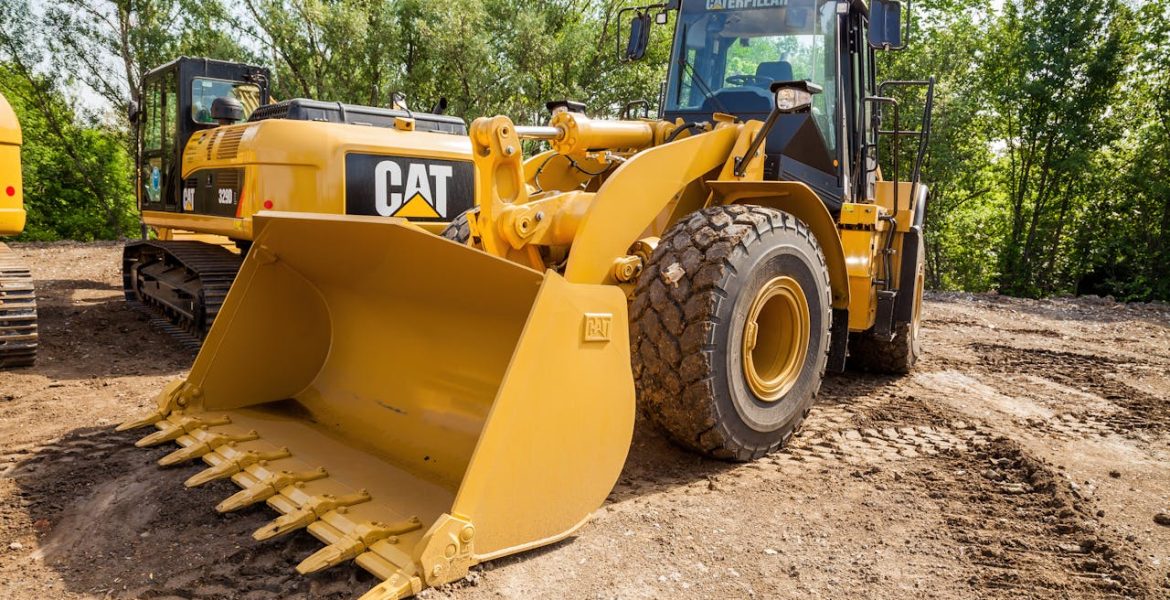
The skid steer vs excavator debate comes up every time a contractor faces a new project and needs to decide which machine to bring. Both are staples of the construction industry, both show up on jobsites of every size, and both have loyal operators who swear their machine is the more useful one.
The truth is that each was designed for a different primary function, and picking the wrong one for the task at hand costs you time, fuel, and productivity.
This guide puts skid steer vs excavator side by side across the categories that matter most so you can make the right call before the project starts.
How They Move and Steer
The most obvious difference in the skid steer vs excavator comparison is how each machine gets around. A skid steer uses four wheels or two tracks to move, and it steers by driving the wheels on one side faster than the other. This skidding action lets the machine spin in place within its own footprint, making it extremely maneuverable in tight spaces.
An excavator rides on two independent track assemblies driven by final drive motors. It steers by varying the speed of each track, similar to a skid steer, but the excavator also has a rotating upper structure that swings independently from the undercarriage. This means the operator can dig in one direction, swing the boom, and dump in another without moving the tracks at all.
The skid steer is faster on flat ground and more agile in confined areas. The excavator is slower but more stable on slopes, soft ground, and uneven terrain. Understanding how excavator final drives power those tracks helps you appreciate why crawlers handle rough conditions so well.
Digging Capability
This is where the skid steer vs excavator comparison tips heavily in one direction. Excavators are purpose built for digging. The boom, stick, and bucket combination gives them reach, depth, and breakout force that a skid steer simply cannot match.
A standard mid size excavator digs 15 to 20 feet deep with powerful curl force at the bucket teeth. The 360 degree swing lets the operator excavate and load trucks in a smooth, efficient cycle.
A skid steer can dig, but it is limited. Equipped with a bucket, it scrapes and grades more than it truly excavates. With a trencher or auger attachment, it handles shallow utility trenching and post holes. But for serious excavation work like foundations, deep utilities, or pond construction, the excavator wins every time.
If digging is the primary task on your project, the skid steer vs excavator decision is straightforward. The excavator is the right tool.
Versatility and Attachments
This category is where the skid steer fights back. Skid steers accept a massive range of attachments through a universal quick attach plate. Buckets, pallet forks, augers, brush cutters, sweepers, concrete mixers, stump grinders, snow blowers, trenchers, and dozens of other tools snap on and off in minutes.
A single skid steer with the right attachments can handle grading, material handling, demolition, landscaping, snow removal, and concrete work all in the same week.
Excavators also accept attachments, including hydraulic breakers, thumbs, grapples, rippers, and tilt buckets. But the excavator’s strength is specialized digging and lifting, not broad task switching. The attachment ecosystem for skid steers is wider and changes faster.
In the skid steer vs excavator matchup on versatility, the skid steer takes the win. If your project requires frequent task changes and a wide variety of functions, the skid steer earns its keep.
Lifting and Material Handling
Both machines lift and move materials, but differently. A skid steer lifts from the front with loader arms, raising material straight up. Rated capacities typically range from 1,500 to 3,500 pounds. The vertical lift path makes skid steers excellent for loading trucks and stacking pallets.
An excavator lifts with its boom and stick, giving it greater reach and the ability to swing loads to the side. However, lift capacity decreases as the load moves farther from the machine.
For repetitive loading, the skid steer is faster. For placement at reach or below grade, the excavator handles it better. The skid steer vs excavator choice for material handling depends on where the material needs to go.
Jobsite Conditions
Ground conditions play a major role in the skid steer vs excavator decision. Evaluating the skid steer vs excavator on terrain performance reveals clear differences. Wheeled skid steers perform best on firm, prepared surfaces.
They struggle in deep mud, loose sand, and steep slopes. Compact track loaders solve some of these problems by replacing wheels with rubber tracks, which improves flotation and traction on soft ground.
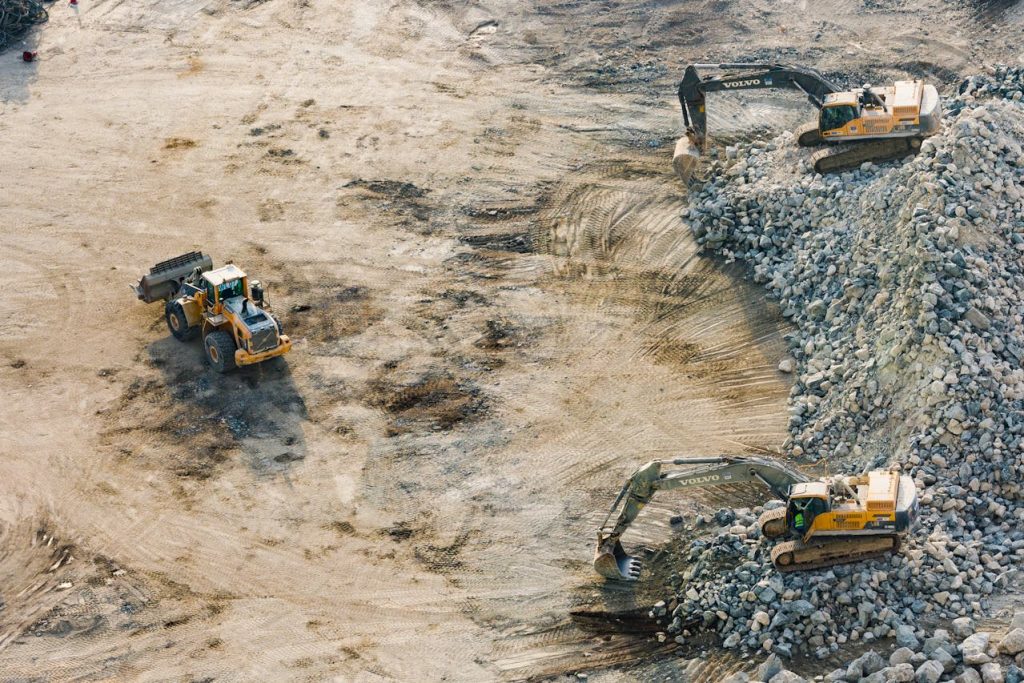
Excavators with steel tracks handle the widest range of terrain. Mud, gravel, slopes, and uneven ground are all manageable for a properly sized crawler. The wider track footprint distributes weight more evenly, reducing ground pressure and preventing the machine from sinking.
For indoor work, parking lots, and finished surfaces, a skid steer on wheels is gentle and fast. For raw land, trenching in wet conditions, or work on hillsides, the excavator is the safer and more productive choice.
Transport and Mobility
Skid steers are compact and lightweight compared to excavators. Most wheeled skid steers and compact track loaders fit on a standard single axle trailer and weigh between 5,000 and 10,000 pounds. This makes them easy to transport between jobsites with a pickup truck and trailer.
Excavators, even mini models, are heavier and require more substantial trailers. Mid size excavators need a lowboy and a commercial truck. Transport logistics and costs are higher, especially for contractors working multiple small jobs across a wide area.
If your work involves frequent moves between small sites, the skid steer vs excavator comparison favors the skid steer on transport alone. For the skid steer vs excavator decision on longer projects where the machine stays put, transport cost matters less.
Maintenance Overlap
Both machines rely on hydraulic systems, engines, and undercarriage components that require consistent maintenance. Hydraulic fluid changes, filter replacements, engine oil service, and greasing are part of the routine for both.
On tracked models, undercarriage maintenance is critical. Track tension, roller condition, sprocket wear, and final drive gear oil all need regular attention.
Knowing what leads to drive motor failure applies whether you are running a compact track loader or a full size excavator. The final drive does the same job on both machines, and it fails for the same reasons when neglected.
Keeping hydraulic cylinders in good condition matters on both platforms since every movement either machine makes depends on clean fluid and tight seals.
When a final drive motor does need replacing on either machine type, Precision Final Drives carries aftermarket units shipped fully assembled and ready for installing your drive as a direct bolt on replacement.
Making the Right Call
The skid steer vs excavator question does not have a single answer. It depends on the job. Choose an excavator when the project centers on digging, trenching, or loading from below grade.
Choose a skid steer when the work involves surface grading, material handling, frequent attachment changes, or tight indoor spaces. Many contractors own both because the two machines complement each other perfectly.
Whichever machine you choose, maintaining it properly is what keeps it earning. The skid steer vs excavator debate matters less than how well you take care of the machine you have.
Frequently Asked Questions (FAQs)
1. Is a Skid Steer or Excavator Better for Digging?
An excavator is significantly better for digging. It offers deeper reach, stronger breakout force, and a 360 degree swing cycle that makes excavation efficient. A skid steer handles shallow scraping and light trenching but cannot match an excavator for serious digging work.
2. Can a Skid Steer Replace an Excavator?
For some tasks, yes. A skid steer with a trencher or backhoe attachment handles light excavation. But for deep trenching, foundation work, or high volume earthmoving, an excavator is the only practical choice. The skid steer vs excavator comparison shows each machine excels in different areas.
3. Which Machine Is More Versatile?
The skid steer wins on versatility due to its universal quick attach system and the enormous range of available attachments. It can switch between buckets, forks, augers, breakers, and dozens of other tools in minutes.
4. Which Costs Less to Own and Operate?
Skid steers generally have lower purchase prices, lower transport costs, and simpler maintenance requirements. Excavators cost more upfront and require heavier trailers, but they deliver higher productivity on digging intensive projects.
5. Do Both Machines Use Final Drives?
Yes. Any tracked version of either machine uses final drives to power the tracks. Compact track loaders and crawler excavators both rely on hydraulic travel motors and planetary gear sets. The skid steer vs excavator maintenance routine for final drives is essentially identical on both platforms.