
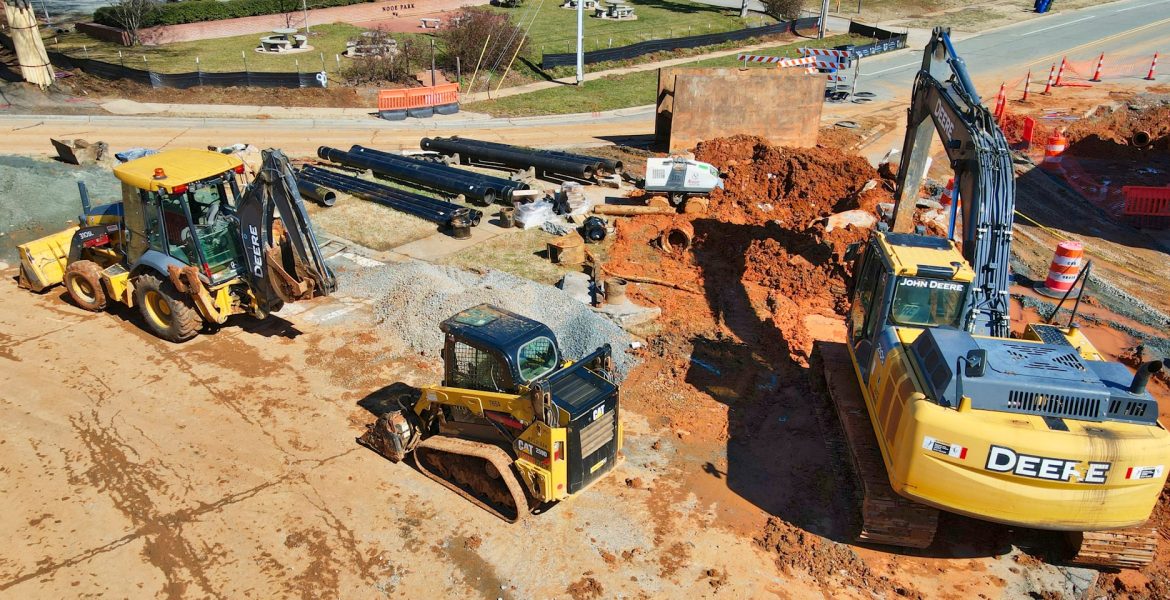
The john deere 490 excavator is not a new machine by any stretch, but walk onto enough jobsites and you will still see them working. That kind of longevity does not happen by accident.
It happens because a machine was built with the right balance of power, simplicity, and serviceability. Operators who bought these machines decades ago are still running them, and used units continue to trade hands because the demand for a proven mid size excavator never really goes away.
If you own one, are thinking about buying a used unit, or just want to know what makes this machine tick, this guide covers the key specs, what the 490 does well, and what to watch for as the hours add up.
Engine and Power
The original john deere 490 excavator runs a John Deere 300 Series four cylinder turbocharged diesel engine. With a displacement of 3.9 liters, it produces approximately 75 net horsepower at 2,200 RPM. Maximum torque reaches around 212 lb ft at 1,400 RPM.
Later variants brought incremental improvements. The 490E stepped up to a 4.5 liter displacement with approximately 85 net horsepower, providing noticeable gains in digging force.
Regardless of variant, the engines in the john deere 490 excavator family are known for being durable and straightforward to maintain. Fuel consumption typically ranges between 1.5 and 2.8 gallons per hour.
Operating Weight and Dimensions
The original 490 has an operating weight of approximately 25,360 pounds. The 490E comes in slightly heavier at around 26,780 pounds. Both sit comfortably in the mid size category with enough mass for stability.
Transport dimensions for the john deere 490 excavator run approximately 25 feet in length, 8 feet 10 inches in width, and just under 9 feet in height. These numbers mean it fits on a standard lowboy trailer without oversized permits.
Track width ranges from 24 to 28 inches depending on shoe configuration, giving the john deere 490 excavator a solid footprint for varied terrain.
Digging Performance
This is where the john deere 490 excavator earns its reputation. Maximum digging depth on the 490E reaches approximately 18 feet 3 inches with the standard arm. Maximum reach at ground level extends to nearly 25 feet. Maximum dump height sits around 20 feet, making it practical for loading trucks and stockpiling material.
These numbers put the 490 in a versatile working range. Foundation work, deep utility trenching, pond construction, site excavation, and general earthmoving are all well within its capability. The hydraulic system uses a variable displacement axial piston pump in a closed center configuration, which delivers responsive control and efficient power distribution.
The bucket digging force is strong enough to handle compacted soil, clay, and moderate rock without struggling. Operators who understand how the excavator final drives and hydraulic system work together on these older machines can get the most out of every dig cycle.
Why Operators Still Choose It
There are newer, more technologically advanced excavators available. So why does the john deere 490 excavator still have a following? A few reasons stand out.
First, simplicity. The 490 predates the era of complex electronic controls, diesel particulate filters, and sensor laden systems. What you get is a mechanical machine that an experienced operator or mechanic can diagnose and repair without plugging into a computer.
For small contractors, independent operators, and rural jobs where dealer support is not always nearby, that simplicity is a significant advantage.
Second, parts availability. Because so many 490 units were produced and because John Deere still supports its legacy equipment, finding replacement components is not the challenge it might be with lesser known machines. Engine parts, hydraulic components, undercarriage wear items, and final drive motors are all accessible through OEM and aftermarket channels.
Third, the cost of entry. A used john deere 490 excavator is significantly cheaper than a comparable new machine. For operators who need a capable mid size excavator but do not have the budget for new equipment, a well maintained 490 delivers real productivity at a fraction of the price.
The john deere 490 excavator holds its value because the demand for proven, simple machines never fades.
Maintenance Priorities on a High Hour Machine
Most 490 units still in service have accumulated significant hours. That means maintenance is not just important, it is the only thing keeping these machines productive. Here are the areas that matter most.
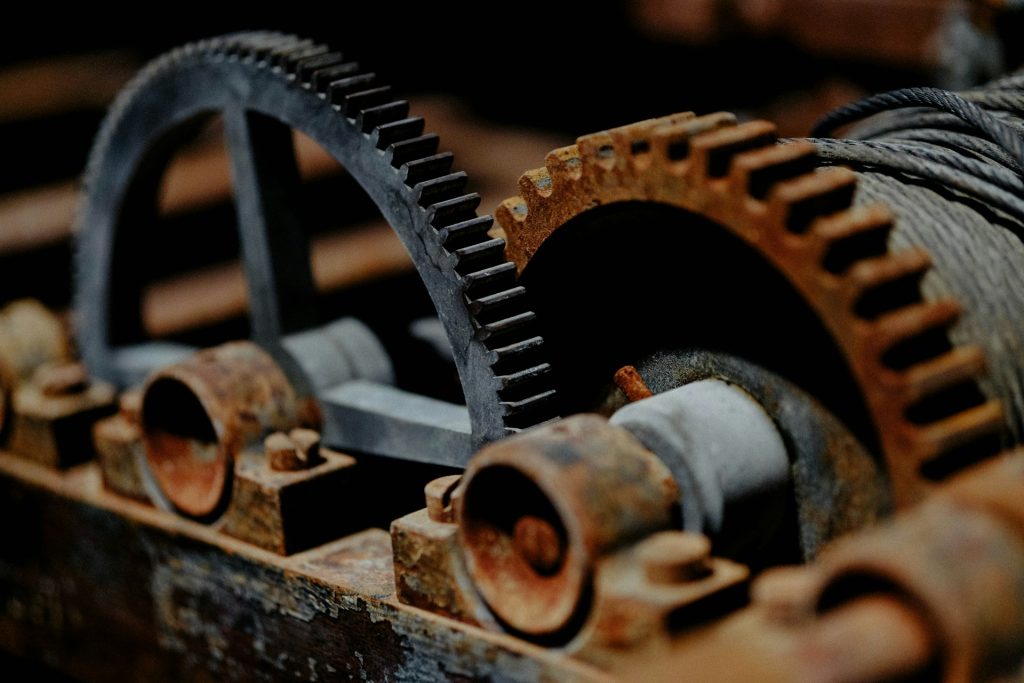
Gear oil in the final drives should be checked every 100 hours. On a machine with high hours, seals are more likely to have degraded, which means leaks develop more frequently. Oil dripping near the tracks or behind the gearbox is a clear signal that seals need replacing.
Ignoring this leads to contamination and internal gear damage, which is one of the leading causes of drive motor failure on older excavators.
Hydraulic fluid condition is critical. On a machine this age, the entire hydraulic system has been cycling fluid under high pressure for thousands of hours. Check the fluid before every shift, change it on schedule, and replace filters without exception.
Understanding how hydraulic cylinders rely on clean fluid helps you appreciate why this one task protects so many components at once.
The cooling system needs careful attention on any john deere 490 excavator. Older radiators are more prone to clogging. Monitor engine temperature closely and blow out the radiator cores regularly. Overheating accelerates wear on every system simultaneously.
Undercarriage components like tracks, rollers, idlers, and sprockets wear at rates that depend on terrain and hours. Keeping the undercarriage clean after each shift reduces heat buildup and extends seal and bearing life.
When Parts Need Replacing
On a classic machine like the 490, replacement parts are a regular reality. Bucket teeth, hoses, seals, filters, and track components cycle through on a predictable schedule.
The final drive is the component that concerns most operators when it fails. A dead final drive means the machine cannot travel. If you are seeing persistent leaks, unusual noise from the tracks, or reduced travel speed despite troubleshooting, the internals may be worn past repair.
Precision Final Drives carries aftermarket final drive motors for the john deere 490 excavator and other John Deere models.
They ship fully assembled, filled with oil, and ready for installing your drive straight out of the box. For operators keeping a classic machine alive, having a reliable parts source is what makes the difference between productive uptime and costly delays.
The john deere 490 excavator has earned its place as a proven workhorse, and with the right care, it still has plenty of life left to give.
Frequently Asked Questions (FAQs)
1. How Much Horsepower Does the John Deere 490 Have?
The original 490 produces approximately 75 net horsepower from its 3.9 liter turbocharged diesel. The later 490E variant bumps that to around 85 net horsepower with a 4.5 liter engine. Both deliver strong torque for digging and loading in the mid size class.
2. What Is the Maximum Digging Depth of the 490?
On the 490E with the standard arm, maximum digging depth reaches approximately 18 feet 3 inches. The original john deere 490 excavator has a slightly shallower depth depending on arm configuration, but both variants handle deep trenching and foundation work effectively.
3. Is the John Deere 490 Still a Good Buy Used?
Yes, provided the machine has been maintained and the major components are in acceptable condition. Inspect the engine, hydraulic system, undercarriage, and final drives thoroughly before purchasing. A well cared for 490 delivers strong productivity at a much lower cost than a new machine.
4. Are Replacement Parts Still Available for the 490?
Parts availability remains strong. Engine components, hydraulic parts, undercarriage items, filters, and aftermarket final drive motors are all accessible. Quality aftermarket options built to OEM specifications offer reliable performance at lower prices than dealer parts.
5. How Do I Know When the Final Drives Need Replacing?
Watch for recurring oil leaks around the final drive housing, persistent grinding or clunking from the tracks, reduced travel speed, or the machine pulling to one side. If basic maintenance and seal replacements do not resolve these symptoms, the internal gears or motor on your john deere 490 excavator have likely reached the end of their service life.