
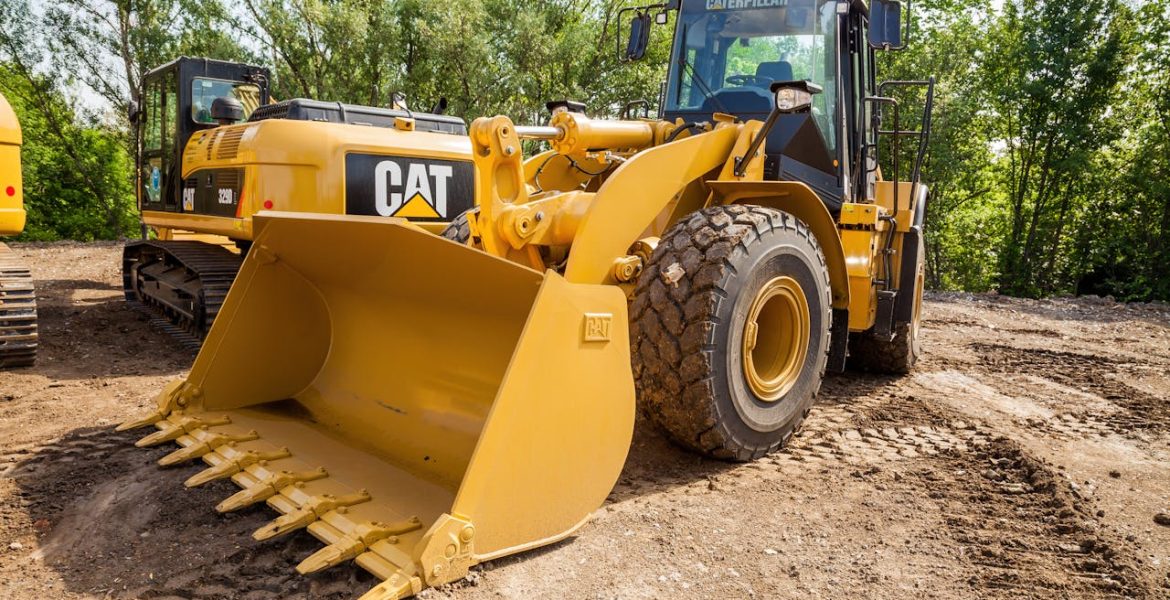
The cat e70b final drive is the component that turns hydraulic energy into the track movement your machine depends on. When it works, you do not think about it. When it starts to fail, everything stops.
Travel slows down, the machine pulls to one side, or worse, the tracks quit moving entirely. For operators running the E70B on residential, commercial, or utility jobsites, keeping the final drive healthy is not optional. It is what keeps the machine earning.
The Cat E70B is a mid size excavator that has been a reliable workhorse on jobsites for decades. With an operating weight around 15,000 to 17,000 pounds, a Mitsubishi 4D32 engine producing 54 net horsepower, and a max digging depth near 12.4 feet, it handles a wide range of tasks.
But all of that capability rides on the final drives. This guide covers practical care tips that protect the cat e70b final drive and help you avoid the costly failures that sideline machines.
How the Final Drive Works on the E70B
The cat e70b final drive is a self contained unit that bolts to the undercarriage frame near the sprocket. Inside, the hydraulic motor receives pressurized fluid and creates rotational movement. The planetary gear reduction converts that fast rotation into slow, high torque output that turns the tracks.
Gear oil lubricates the planetary gears while seals keep oil in and contaminants out. When either the gear oil or the hydraulic fluid side has a problem, the entire cat e70b final drive is at risk. Understanding how excavator final drives convert power to motion helps you see why small maintenance tasks have such a large impact.
Check Gear Oil Every 100 Hours
This is the single most important thing you can do for the cat e70b final drive. The gear oil keeps the gears and bearings lubricated. When it degrades or gets contaminated, metal grinds against metal.
Locate the gearbox on the front side of the track. You will see three plugs at the 12, 3, and 6 o’clock positions. Remove the plug at 3 o’clock slowly and check the color of the oil. Healthy oil has a bronze, transparent appearance. Dark or gritty oil means contamination.
Change the gear oil every 200 hours, or immediately if the color indicates a problem. Fresh oil is cheap. The gear damage caused by running on degraded fluid is not.
Inspect Seals and Watch for Leaks
Seal integrity on the cat e70b final drive is the second most critical maintenance priority. The seals keep gear oil inside the planetary housing and prevent fluid crossover between the motor side and the gear side.
Oil dripping onto the tracks or pooling behind the housing is a clear sign of seal failure. A leaking seal means the oil level is dropping, which increases friction and heat. Check for leaks during every walkaround.
Catching a seal failure early is a quick, affordable repair. Waiting leads to full drive replacement. Knowing the common causes of drive motor failure reinforces why seal inspection matters every day.
Keep the Case Drain Filter Clean
The case drain filter sits between the cat e70b final drive motor and the hydraulic tank. Its purpose is to catch internal debris, like metal shavings and seal fragments, before they spread through the broader hydraulic system.
When this filter clogs, pressure builds inside the hydraulic motor. That pressure pushes past internal seals, mixes gear oil with hydraulic fluid, and can eventually crack or blow the cover plate off the drive. All of that from a filter that costs almost nothing to replace.
Change the case drain filter every time you change your other hydraulic filters. Make it a non negotiable part of your filter schedule. This one small habit protects the most expensive component on the cat e70b final drive from catastrophic failure.
Clean the Undercarriage After Every Shift
Mud, rocks, and packed debris love to build up around the final drive housing, sprocket, and track rollers. On the E70B, the undercarriage is sealed, but external buildup still causes problems.
Packed material traps heat. Heat degrades seals faster and reduces the effectiveness of the gear oil. Debris wedged between the sprocket and the track increases wear on both components and puts additional strain on the cat e70b final drive every time the tracks rotate.
A few minutes with a pressure washer or even a shovel at the end of each shift keeps the area clear. This is one of the simplest maintenance tasks on the machine, and it directly extends the life of the tracks, rollers, sprocket, and the final drive itself.
Do Not Overload or Over Speed the Machine
The E70B is capable, but pushing it beyond its rated capacity stresses the final drives. Overloading generates excess heat in the motor. Running at full speed across rough terrain sends shock loads through the planetary gears.
Moderate your travel speed on uneven ground. Take shallower passes in compacted material. Operators who practice smooth inputs see far fewer cat e70b final drive problems. Learning how hydraulic cylinders and other components respond to overloading shows why controlled operation protects the entire system.
Warm Up Before Heavy Work
Cold hydraulic fluid is thick and does not flow well. Starting heavy operations immediately stresses the cat e70b final drive before fluid reaches operating temperature. Let the machine idle for a few minutes at the start of each shift. Move the travel levers gently to circulate fluid through the drives before putting the machine under load.
When the Final Drive Needs Replacing
Even with excellent maintenance, the cat e70b final drive will eventually reach the end of its service life. Persistent noise from the tracks, recurring seal leaks that new seals do not fix, reduced travel speed, or the machine pulling to one side are all signs that the internal components have worn past repair.
Continuing to run a failing drive risks sending metal fragments through the hydraulic system, which can damage the pump, valves, and hoses. When replacement is the right call, Precision Final Drives carries aftermarket final drive motors for the Cat E70B that ship fully assembled, filled with oil, and ready for installing your drive straight out of the box.
Taking care of the cat e70b final drive is straightforward when you stay consistent, and it pays you back with reliable track performance shift after shift.
Frequently Asked Questions (FAQs)
1. How Often Should I Change the Gear Oil in a Cat E70B Final Drive?
Every 200 hours of operation, or immediately if the oil appears dark or contaminated. Check it every 100 hours by removing the 3 o’clock plug and inspecting the color. Healthy oil looks bronze and transparent. Dark or gritty oil needs changing right away.
2. What Are the First Signs of Final Drive Failure on the E70B?
Unusual noise from the tracks, oil leaks around the final drive housing, the machine pulling to one side, and a noticeable drop in travel speed are the most common early signs. If basic maintenance does not resolve these symptoms, the internal components of the cat e70b final drive may be worn past repair.
3. Can I Replace Just the Seals on a Cat E70B Final Drive?
Yes, if the internal gears and motor are still in good condition. A seal kit and fresh gear oil will get you back to work when the only issue is a worn seal. If the gears are damaged or metal fragments have circulated through the system, full replacement is the better path.
4. Does Track Condition Affect the Final Drive?
Absolutely. Loose, stretched, or damaged tracks put extra stress on the sprocket and the final drive motor. The sprocket slips, the rollers wear unevenly, and the cat e70b final drive absorbs impact forces it was not designed to handle. Keeping tracks in good condition protects the drive.
5. Are Aftermarket Final Drives Available for the Cat E70B?
Yes. Quality aftermarket final drive motors built to OEM specifications are available for the E70B. They ship fully assembled, filled with oil, and include two speed capability. Aftermarket options for the cat e70b final drive offer the same fit and performance at a significantly lower cost than dealer pricing.