
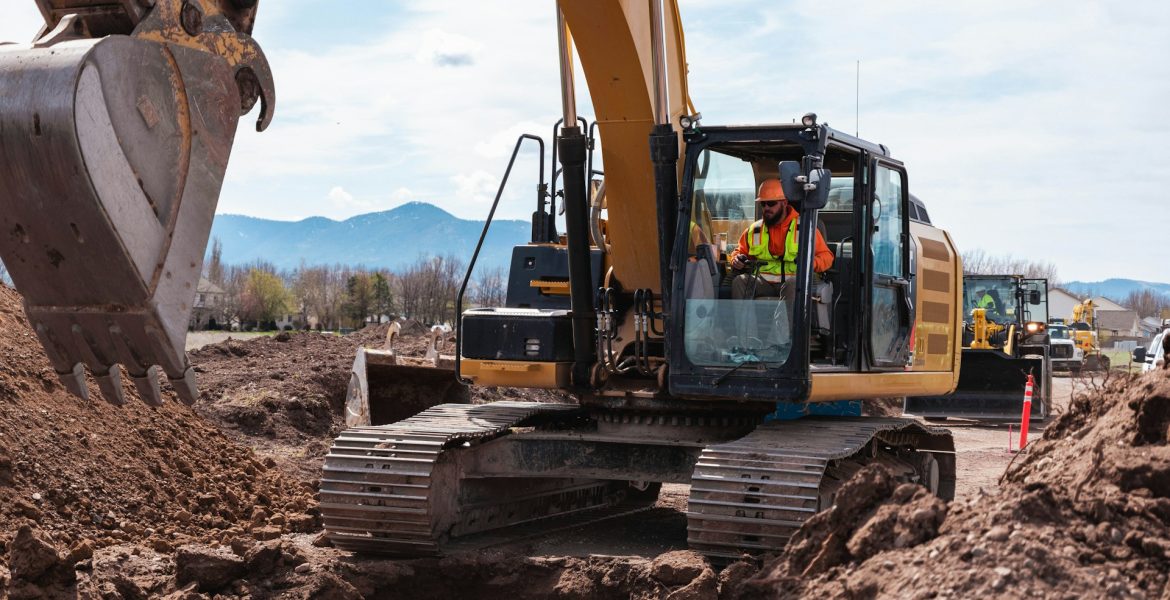
The hydraulic excavator market is one of the largest and fastest growing segments of the global construction equipment industry.
Valued in the tens of billions of dollars and expanding at a steady compound annual growth rate, the market is being shaped by infrastructure spending, urbanization, mining demand, and technology shifts that affect every operator and fleet manager.
Whether you own one machine or manage a fleet of fifty, understanding where the hydraulic excavator market is heading helps you make smarter decisions about purchasing, maintenance, and long term investment.
This guide covers the key trends driving the hydraulic excavator market and explains what they mean for contractors on the ground.
Infrastructure Spending Is the Biggest Driver
Government infrastructure programs around the world are pouring money into roads, bridges, railways, airports, ports, and public works.
These projects require massive amounts of earthmoving, and hydraulic excavators are the machines doing the heavy lifting. Every major infrastructure initiative translates directly into increased demand for excavators across all size classes.
Developing economies in Asia Pacific are leading the charge. Rapid urbanization in countries across the region has made Asia Pacific the dominant market for hydraulic excavators, accounting for roughly 40 percent of global demand. North America follows as one of the fastest growing regions, driven by housing activity and transportation upgrades.
The hydraulic excavator market benefits directly from these spending cycles. When governments invest in infrastructure, contractors buy equipment.
When contractors buy equipment, demand for parts, maintenance, and aftermarket support rises alongside it. Understanding how excavator final drives work and how to maintain them becomes more valuable as fleets grow and machines accumulate hours.
Mini and Compact Excavators Are Gaining Ground
One of the clearest trends in the hydraulic excavator market is the surge in demand for machines under 10 tons. Mini and compact excavators are gaining traction in urban construction, landscaping, utility installation, and residential projects where space is limited and versatility matters.
These smaller machines offer maneuverability in confined areas, lower transport costs, and reduced ground disturbance compared to full size crawlers.
Advanced hydraulic systems, improved cab comfort, and GPS integration have made compact excavators far more capable than earlier generations, closing the performance gap with larger machines in many applications.
The compact segment is expected to register the highest growth rate in the broader hydraulic excavator market over the coming forecast period. Contractors who specialize in residential, municipal, or light commercial work are adding compact units to their fleets at an increasing pace.
Hybrid and Electric Excavators Are Emerging
Environmental regulations and sustainability goals are pushing the hydraulic excavator market toward lower emission alternatives.
Hybrid excavators that combine diesel engines with electric motor assist systems are already in production from several major manufacturers. Fully electric excavators are emerging for urban and indoor applications where noise and emissions must be minimized.
These machines use regenerative energy from swing and boom lowering motions to recharge onboard batteries, reducing fuel consumption by significant margins. The operating cost savings appeal to contractors running machines for full shifts in emission regulated zones.
The transition to hybrid and electric power is still in its early stages for the hydraulic excavator market. Diesel machines dominate the installed base and will continue to do so for the foreseeable future, but the direction is clear.
Manufacturers are investing heavily in electrification, and adoption will accelerate as battery technology improves and charging infrastructure expands.
Technology Is Changing How Excavators Work
The hydraulic excavator market is also being reshaped by technology that goes beyond the engine and hydraulics.
Telematics systems that monitor machine health, location, fuel consumption, and operating hours in real time are now standard on most new excavators. Fleet managers use this data to optimize utilization, schedule preventive maintenance, and reduce unplanned downtime.
GPS guided digging and automatic grade control systems allow operators to achieve precise excavation depths and slopes without manual grade checking. These systems reduce rework, save material, and cut project timelines. Contractors who adopt grade control technology report productivity gains that justify the investment within months.
Tiltrotators, which allow the bucket to rotate and tilt in multiple directions, are another growing category. These attachments increase versatility by letting the operator grade, trench, and place materials without repositioning the machine. The tiltrotator segment alone is growing at nearly double the rate of the broader hydraulic excavator market.
The Aftermarket Keeps Growing
As the global fleet of hydraulic excavators expands, so does the aftermarket. Every machine on a jobsite needs filters, fluids, seals, undercarriage components, and eventually major assemblies like final drives and hydraulic pumps. The aftermarket for excavator parts is a multi billion dollar industry in its own right.
Aftermarket growth is driven by the same factors pushing the hydraulic excavator market forward. More machines in operation means more parts consumed. Aging fleets in mature markets create steady demand for replacement components.
Contractors who cannot afford new machines keep older units productive with aftermarket parts that deliver OEM performance at lower cost.
Final drive motors are one of the highest value aftermarket components. When a final drive fails, the machine stops entirely. Knowing what causes drive motor failure and how to prevent it helps owners protect their investment as machines accumulate hours.
Hydraulic components including pumps, valves, and cylinders make up another large aftermarket category. Understanding how hydraulic cylinders function and what wears inside them helps you evaluate replacement options and avoid repeat failures.
What This Means for Operators and Fleet Owners
The trends shaping the hydraulic excavator market have practical implications for anyone who owns or operates these machines.
Growing demand means stronger resale values for well maintained equipment. A machine with documented service history, clean fluids, and solid undercarriage condition commands a premium on the secondary market.
Technology adoption is becoming a competitive advantage. Contractors who invest in telematics, grade control, and advanced attachments are winning bids based on productivity and precision that manual operations cannot match.
Aftermarket access matters more than ever. Precision Final Drives carries aftermarket final drive motors for a wide range of excavator brands, shipped fully assembled and ready for installing your drive as a direct bolt on replacement.
Having reliable aftermarket partners keeps your machines earning while the hydraulic excavator market continues to grow around you.
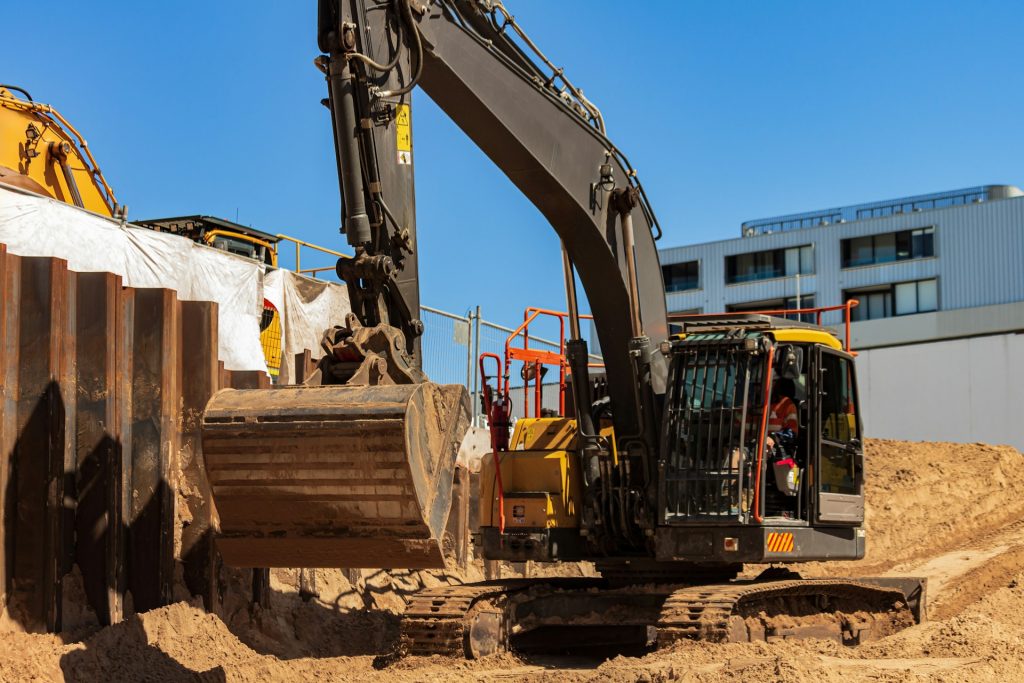
Frequently Asked Questions (FAQs)
1. How Big Is the Hydraulic Excavator Market?
The global hydraulic excavator market is valued in the range of 70 to 80 billion dollars and is projected to continue growing at a compound annual growth rate of approximately 3.5 percent. Infrastructure spending, urbanization, and mining activity are the primary growth drivers.
2. Which Region Has the Largest Demand for Hydraulic Excavators?
Asia Pacific dominates the hydraulic excavator market with roughly 40 percent of global demand. Rapid urbanization and large scale infrastructure projects in developing economies across the region drive this leadership. North America is among the fastest growing markets.
3. Are Electric Excavators a Real Trend?
Yes. Hybrid and fully electric excavators are in production and gaining traction, especially in urban areas with strict emission and noise regulations. While diesel machines still dominate, the hydraulic excavator market is clearly shifting toward electrification as battery technology improves.
4. Why Is the Compact Excavator Segment Growing So Fast?
Compact excavators under 10 tons are ideal for urban construction, landscaping, and residential work where space is limited. Improved hydraulics, GPS integration, and operator comfort have made these machines far more capable, driving adoption across multiple industries.
5. How Does the Hydraulic Excavator Market Affect Parts Availability?
A growing market means more machines in operation and stronger demand for aftermarket parts. This benefits operators by expanding the supply of replacement components like final drives, undercarriage parts, and hydraulic assemblies. As the hydraulic excavator market grows, competition among suppliers helps keep pricing competitive while maintaining quality.