
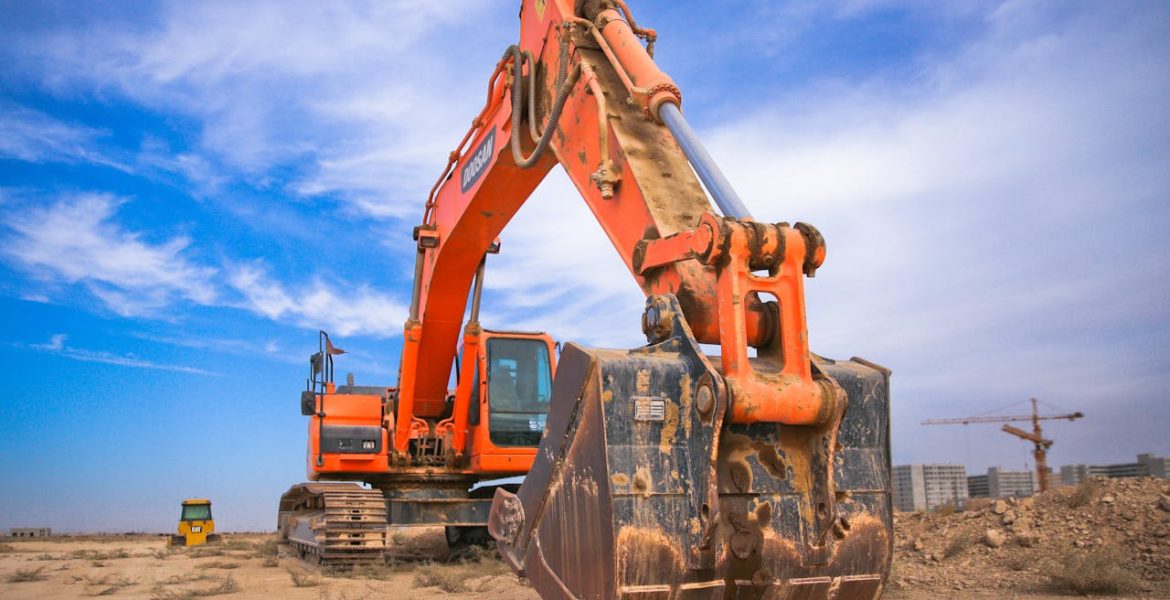
If you have ever wondered what is an excavator, you have probably already seen one at work on a construction site, a road project, or a demolition zone. It is a heavy machine built around a boom, stick, and bucket mounted on a rotating platform that sits on tracks or wheels.
Excavators dig trenches, move earth, load trucks, demolish structures, grade land, and handle materials that no crew could move by hand. They are the single most versatile piece of equipment on a modern jobsite, and understanding how they work gives you a better appreciation for everything they do.
This guide answers the question of what is an excavator by breaking down the machine’s key components, the different types available, and the jobs they handle every day across the construction and mining industries.
The Core Components
Every excavator shares the same basic anatomy regardless of size or brand. Understanding what is an excavator starts with the undercarriage, which sits at the bottom and provides mobility.
On a crawler excavator, this means steel or rubber tracks driven by final drive motors. On a wheeled excavator, tires replace the tracks. The undercarriage supports the entire machine and absorbs the stress of digging, lifting, and traveling across rough terrain.
Sitting on top of the undercarriage is the house, also called the upper structure. This is the rotating platform that holds the engine, hydraulic pumps, counterweight, fuel tank, and operator cab.
The house connects to the undercarriage through a slew ring that allows it to rotate a full 360 degrees. This rotation is what makes an excavator so efficient. The operator can dig in one direction, swing, and dump in another without repositioning the entire machine.
The front attachment is where the work happens. The boom is the large arm connected to the house. The stick, sometimes called the dipper arm, extends from the boom. The bucket attaches to the end of the stick.
Hydraulic cylinders control the movement of each joint, giving the operator precise control over digging depth, reach, and bucket angle. Understanding what is an excavator starts with recognizing how these three elements work together to create a powerful digging system.
The hydraulic system is the heart of the machine. A diesel engine drives hydraulic pumps that pressurize fluid, which flows through valves and hoses to the cylinders on the boom, stick, bucket, slew motor, and travel motors.
Every movement the excavator makes is powered by hydraulic pressure. Learning the basics of hydraulic cylinders helps you understand why this system demands clean fluid and regular maintenance.
Types of Excavators
Answering what is an excavator fully requires covering the different types, because the category is broader than most people realize. When someone asks what is an excavator, the answer depends on which variant they are looking at.
Standard crawler excavators are the most common. They ride on steel tracks and range from mid size machines around 15 tons to large mining units over 80 tons. Crawlers provide excellent stability, strong traction on rough ground, and the ability to work on soft or uneven terrain.
Mini and compact excavators weigh under 10 tons and are designed for tight spaces. They work in residential construction, landscaping, utility installation, and indoor demolition. Despite their small size, they use the same hydraulic principles as their larger siblings. Knowing how to keep a mini compact excavator in good shape extends its productive life dramatically.
Wheeled excavators use rubber tires instead of tracks. They travel faster on paved surfaces and suit road work and urban utility projects.
Long reach excavators have extended booms and sticks for projects that require digging at a distance, such as dredging, river bank shaping, and deep foundation work.
Zero tail swing excavators are built so the house does not extend beyond the track width when rotating, making them ideal for work alongside walls and traffic.
What Excavators Do on the Jobsite
The reason excavators dominate construction sites is versatility. Understanding what is an excavator really means understanding how one machine handles so many different tasks.
Digging is the primary function. Trenches for utilities, foundations for buildings, ponds, drainage channels, and general earthmoving all fall within the excavator’s core capability. The combination of boom reach, stick length, and bucket size determines how deep and how far the machine can dig.
Loading is another major role. Excavators load dump trucks and hoppers with soil, rock, and demolition debris. The swing capability keeps truck loading efficient.
Demolition is where excavators equipped with hydraulic breakers and shears shine. They tear down concrete, cut steel, and process rubble on site.
Grading and landscaping use the excavator’s precision to shape land and prepare surfaces. Anyone who asks what is an excavator and expects a one trick machine is surprised by how much finesse a skilled operator can achieve.
Material handling with grapples, magnets, and sorting attachments turns the excavator into a tool for scrap yards and recycling facilities.
How the Final Drive Keeps It Moving
When people ask what is an excavator, they focus on the boom and bucket. But the machine cannot work if it cannot move, and that is the job of the final drive. Knowing what is an excavator without understanding its drive system leaves out half the picture.
Each track on a crawler excavator is powered by a final drive motor that converts hydraulic pressure into the rotational force that turns the sprocket and drives the track.
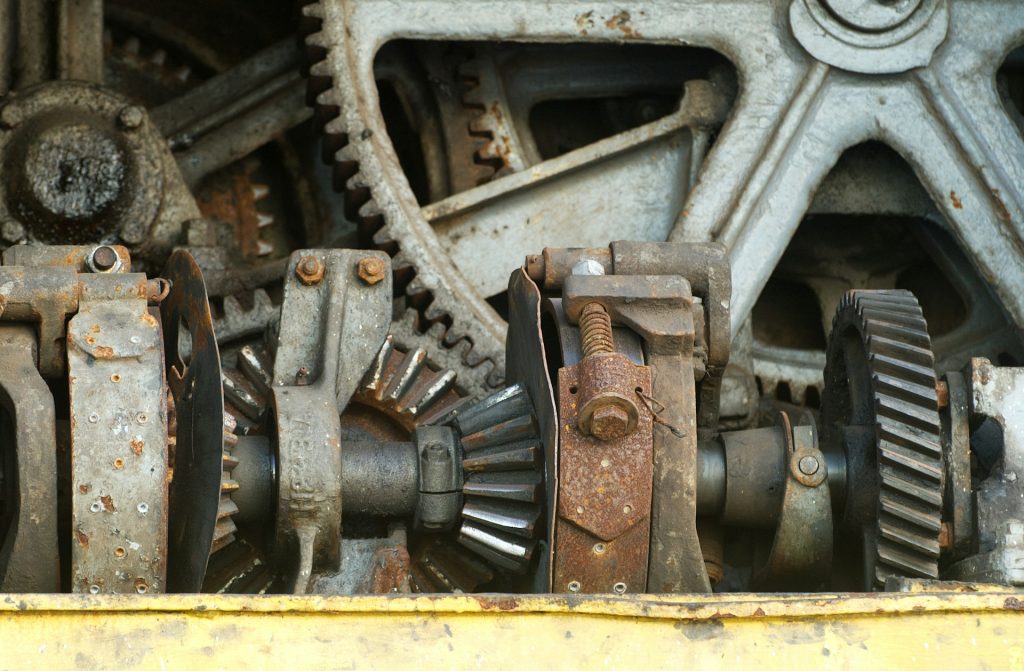
The final drive uses a planetary gear set to reduce motor speed and multiply torque. This gives the machine the slow, powerful track movement needed for positioning on a jobsite. Without healthy final drives, an excavator cannot travel, cannot reposition, and cannot work.
Understanding how excavator final drives function helps operators catch problems early and avoid expensive downtime.
Common signs of final drive trouble include oil leaking behind the sprocket, unusual grinding or whining from the track area, sluggish travel on one side, and the machine pulling to the left or right. Regular gear oil checks and keeping the undercarriage clean go a long way toward preventing drive motor failure before it stops your machine.
Maintenance That Matters
An excavator is a significant investment, and maintenance is what protects that investment. Knowing what is an excavator means knowing what keeps it running. Daily walkarounds, fluid checks, and greasing are the foundation of a reliable machine.
Check hydraulic fluid levels and condition regularly. Dark or milky fluid indicates contamination that can damage pumps, valves, and cylinders. Change filters on schedule and monitor system pressure.
Inspect the undercarriage. Track tension, roller condition, sprocket wear, and idler health all affect how the machine handles and how long expensive components last.
Change engine oil and filters at the manufacturer’s recommended intervals. Monitor coolant levels and keep radiator fins clean to prevent overheating.
Grease all pivot points daily. The boom, stick, and bucket joints endure enormous forces, and dry pins and bushings wear rapidly. Precision Final Drives carries aftermarket final drive motors for a wide range of excavator brands, giving operators a reliable option when the travel motor needs replacing.
Now you know what is an excavator, how its systems work together, and what keeps it productive on the jobsite.
Frequently Asked Questions (FAQs)
1. What Is an Excavator Used For?
Excavators are used for digging, trenching, loading, demolition, grading, and material handling. Asking what is an excavator really means asking what can it do, and the answer is nearly everything on a jobsite. With the right attachments, a single excavator handles tasks that would otherwise require multiple machines.
2. What Is the Difference Between a Mini Excavator and a Standard Excavator?
Mini excavators weigh under 10 tons and are built for tight spaces and lighter tasks. Standard excavators start around 15 tons and offer greater digging depth, reach, and lifting capacity. Part of understanding what is an excavator involves knowing which size fits your project. Both types use the same hydraulic principles and share similar maintenance requirements.
3. How Long Does an Excavator Last?
With proper maintenance, an excavator can last 10,000 hours or more. Some well maintained machines exceed 20,000 hours before major overhaul. Longevity depends on operating conditions, maintenance consistency, and how quickly wear items are addressed.
4. What Powers an Excavator?
A diesel engine drives hydraulic pumps that pressurize fluid throughout the machine. That pressurized fluid powers the boom, stick, bucket, slew motor, and track drive motors. Every movement the excavator makes is hydraulically driven.
5. How Do I Know if My Excavator’s Final Drive Needs Attention?
Look for oil leaking behind the sprocket, unusual noises from the track area, sluggish travel, or the machine drifting to one side. Check the gear oil regularly by pulling the drain plug and inspecting the color. Knowing what is an excavator and how its drive system works helps you spot these warning signs early.