
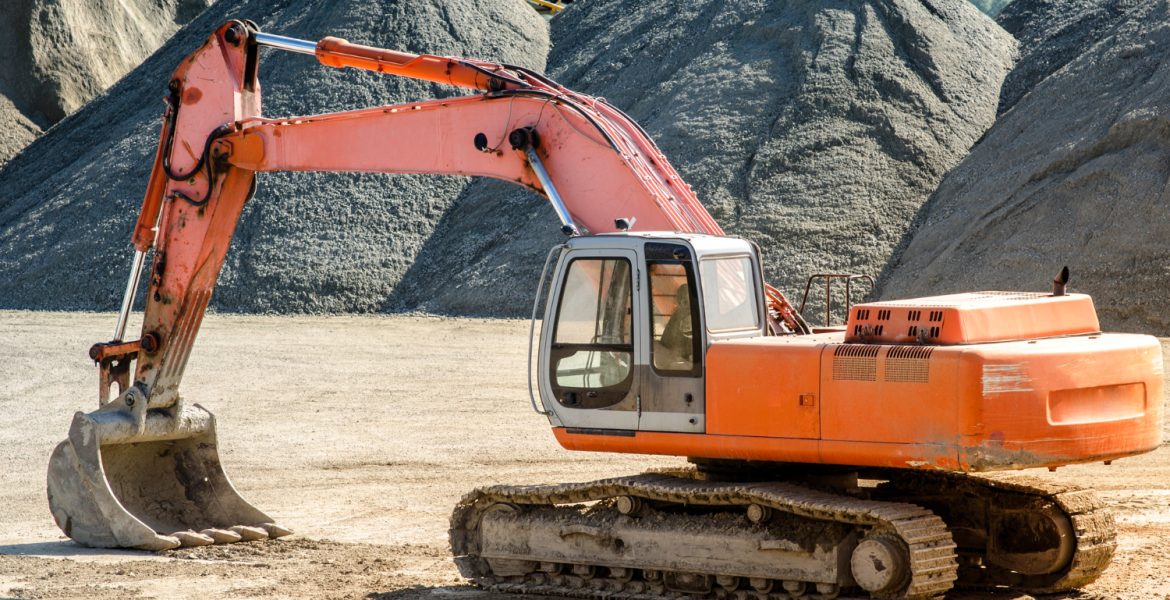
If you are looking at a used mid size excavator that delivers solid performance without the price tag of newer machines, the daewoo 130 excavator specs are worth studying.
The Solar 130 and DH130 models have been on jobsites around the world for decades, and they continue to trade hands because the machines hold up well and the operating costs are reasonable. But buying one without understanding the specs, the variants, and what to inspect is how you end up with a money pit instead of a workhorse.
This guide breaks down the daewoo 130 excavator specs that matter most, covers the differences between the main variants, and explains what to look for when evaluating a used unit.
Engine and Power Output
The Daewoo 130 series uses a Daewoo manufactured diesel engine that produces strong output for the class. The Solar 130 LC-V crawler variant delivers approximately 94 kW, which translates to around 126 horsepower.
That is a solid number for a machine in the 13 to 14 ton range and gives the 130 enough power to handle commercial site work, utility installation, and general earthmoving without strain.
The engine is a four cylinder turbocharged diesel with direct injection. Fuel consumption is moderate for the class, and the engine responds well to varying loads. The daewoo 130 excavator specs on the power side reflect a machine designed for sustained productivity rather than peak bursts, which is exactly what you want from a mid size excavator running full shifts.
One thing to check when evaluating a used unit is engine hours relative to maintenance history. A 130 with high hours but documented oil changes, filter replacements, and cooling system care can still be a strong buy. A low hour machine with no records should raise questions.
Operating Weight and Dimensions
The daewoo 130 excavator specs for weight and dimensions place it in the mid size category. The Solar 130 LC-V crawler model weighs approximately 13,700 kg, or around 30,200 pounds. The wheeled 130W-V variant comes in near 12,700 kg, or about 28,000 pounds.
Transport dimensions on the crawler version run approximately 7.7 meters in length, 2.6 meters in width, and 2.83 meters in height. These numbers mean the machine fits on a standard lowboy trailer without special permits in most regions.
Track width on the crawler variant is 600 mm, which provides a stable footprint across a range of ground conditions. The wheeled version offers the advantage of road travel between jobsites without a trailer, which can be a significant benefit for operators working on multiple sites in the same area.
Digging Performance
Digging depth on the Solar 130 LC-V reaches approximately 6.12 meters, or about 20 feet. Maximum horizontal reach extends to around 8.74 meters. These daewoo 130 excavator specs put the machine in a practical working range for foundation excavation, deep utility trenching, drainage work, and general site prep.
Bucket tearout force comes in at approximately 81 kN. Bucket capacity ranges from 0.28 to 0.76 cubic meters depending on the bucket type. The standard bucket sits around 0.45 cubic meters, which is a versatile size for loading trucks, trenching, and grading.
The hydraulic system uses a variable displacement piston pump that provides responsive control and efficient power delivery. Operators familiar with the daewoo 130 excavator specs tend to appreciate the smooth, predictable response the hydraulic system delivers during combined movements.
Understanding how the excavator final drives work in conjunction with the hydraulics gives you a fuller picture of what drives performance on this machine.
Crawler Versus Wheeled Variants
The Daewoo 130 was produced in both tracked and wheeled configurations, and the daewoo 130 excavator specs differ meaningfully between the two.
The crawler version, the Solar 130 LC-V, is the more common choice for earthmoving and construction work. Steel tracks provide superior traction, stability on uneven ground, and the ability to work on soft terrain without sinking. The tradeoff is that transport between jobsites requires a trailer.
The wheeled variant, the Solar 130W-V, trades off road traction for road mobility. It can travel between sites on public roads, eliminating transport costs. This variant is popular for urban utility work, road maintenance, and municipal operations.
Comparing the daewoo 130 excavator specs between these two variants helps you pick the right configuration for your work.
Both variants share similar digging and lifting specs, but the crawler model typically handles heavier applications more confidently due to its wider stance and lower center of gravity.
What to Inspect on a Used Daewoo 130
If you are considering buying a used unit, knowing the daewoo 130 excavator specs is only half the equation. The other half is knowing what condition the machine is actually in. Strong daewoo 130 excavator specs on paper mean nothing if the machine has been neglected.
Start with the undercarriage on the crawler variant. Tracks, rollers, idlers, and sprockets are expensive to replace as a set. Look for excessive wear, seized rollers, and track tension that cannot be maintained. These components tell you a lot about how the previous owner cared for the machine.
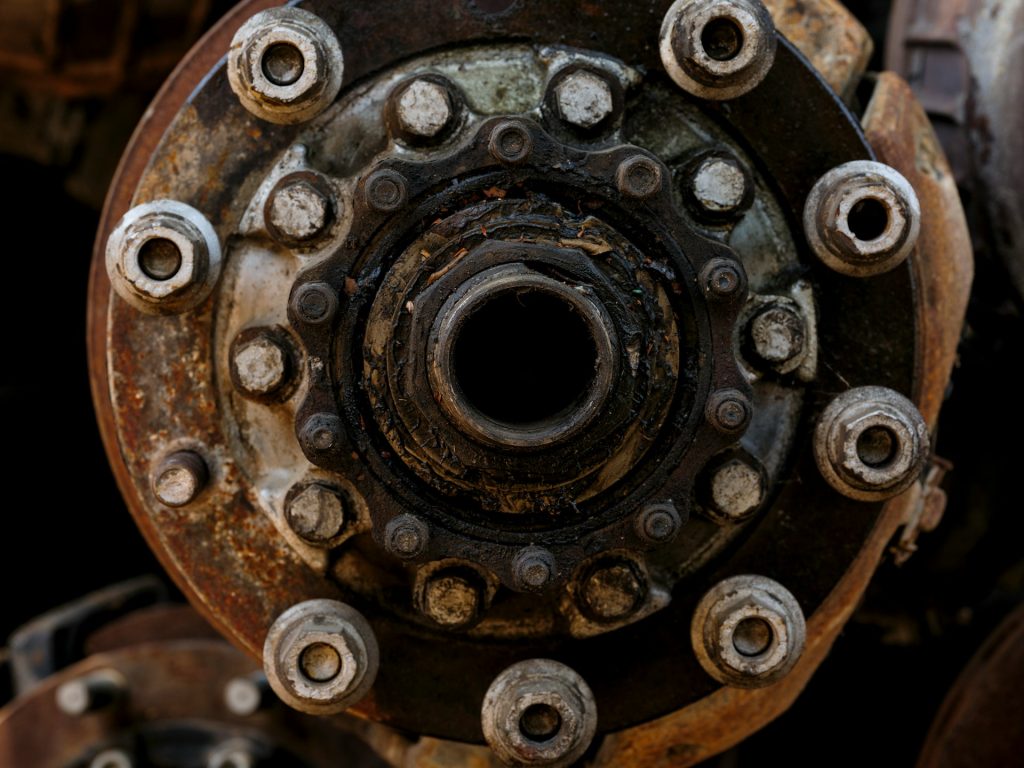
Check the final drives carefully. Oil leaking around the final drive housing or discolored gear oil indicates seal failures or contamination. Running on degraded fluid leads to drive motor failure that requires a full replacement. Pull the 3 o’clock plug on each final drive and inspect the gear oil color. Bronze and transparent is healthy. Dark, thick, or metallic means trouble.
Inspect the hydraulic system. Check fluid levels, look at the color and smell of the hydraulic oil, and run the machine through all its functions. Slow response, jerky movements, or reduced digging force point to pump wear or valve issues. Knowing how hydraulic cylinders function helps you spot drifting booms and leaking rod seals during the test.
Look at the cab and controls. Worn out seats, broken gauges, and non functional climate systems are signs of general neglect. These items are fixable, but they indicate how carefully the machine was treated overall.
Maintenance Priorities After Purchase
Once you own a Daewoo 130, consistent maintenance is what keeps it productive. The daewoo 130 excavator specs only hold up if you stay on top of the basics. Check the gear oil in the final drives every 100 hours. Change hydraulic fluid and filters on schedule. Keep the undercarriage clean and monitor track tension. Grease all lubrication points regularly.
The cooling system deserves special attention on older machines. Clogged radiator fins and degraded coolant cause overheating that damages the engine and hydraulic system simultaneously. Blow out the radiator cores regularly and check coolant levels before each shift.
Having the right parts available when something wears out keeps downtime short. Precision Final Drives carries aftermarket final drive motors for the Daewoo 130 series, shipped fully assembled and ready for installing your drive straight out of the box.
The daewoo 130 excavator specs describe a machine that, with proper care, continues to deliver strong mid size performance long after newer models have come and gone.
Frequently Asked Questions (FAQs)
1. How Much Does the Daewoo Solar 130 Weigh?
The crawler variant, the Solar 130 LC-V, weighs approximately 13,700 kg or 30,200 pounds. The wheeled Solar 130W-V comes in lighter at around 12,700 kg. Exact weight varies based on configuration and attachments.
2. What Is the Maximum Digging Depth of the Daewoo 130?
The Solar 130 LC-V reaches approximately 6.12 meters, or about 20 feet, with the standard arm. This makes the daewoo 130 excavator specs well suited for foundation work, deep utility trenching, and general excavation.
3. Is the Daewoo 130 Still a Good Machine to Buy Used?
Yes, provided you inspect it thoroughly. Check the engine, hydraulic system, undercarriage, and final drives before committing. A well maintained unit with documented service history can deliver strong productivity at a fraction of the cost of a new machine.
4. Are Aftermarket Parts Available for the Daewoo 130?
Parts availability is strong. Engine components, hydraulic parts, undercarriage items, filters, and aftermarket final drive motors are all accessible. Quality aftermarket options built to OEM specifications offer reliable performance at lower cost than dealer pricing.
5. What Should I Check First on a Used Daewoo 130?
Start with the final drive gear oil and undercarriage condition. These are the most expensive systems to repair or replace, and their condition reveals how well the machine was maintained. Dark gear oil, leaking seals, and heavily worn tracks are red flags that affect the true value of any daewoo 130 excavator specs on paper.